2025 Year In Review
2025 was a year of round numbers, meaningful celebrations, revivals, and new beginnings – and with them came a deeper consolidation of my path and purpose.
It marked 30 years since I moved to Germany, 20 years of motherhood, 10 years of online teaching, and a handful of other significant milestones.
From launching my first international Basso Continuo online course to revisiting former mentors, and watching my daughter move to Lisbon – the very city I once left to study abroad – this year brought me full circle more than once.
What now appears as a beautifully connected narrative once felt chaotic and unpredictable. But I’ve learned to love how life unfolds when you follow your passion with consistency, curiosity, and courage.
This post is a celebration, a reflection, and an invitation – to explore the rhythms and connections that shape a life.
Let me take you along (please open the Table of Contents)
Table of Contents
30 Years in Germany and a New Musical Chapter
How I Began Teaching Online — and Why I Never Stopped
This year, 2025, marks exactly 30 years since I moved to Germany – and along with that, a few other round anniversaries that I proudly celebrate, like the 20th birthday of my eldest daughter!
That invites me to look back, reflect, and enjoy the sequences of life that brought me to where I am today. And the more I reflect, the more anniversaries I discover – for example, 10 years ago I began teaching online.
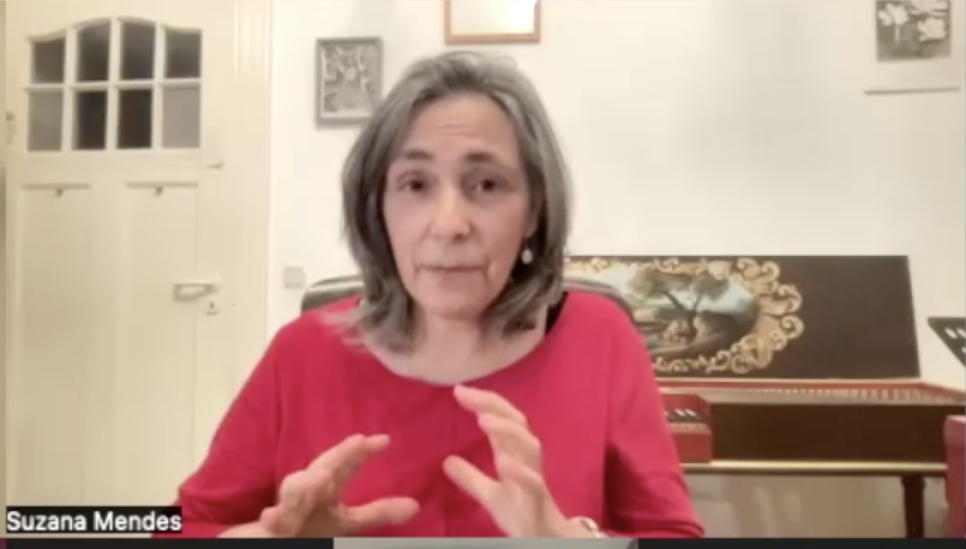
At that time – long before the pandemic forced people onto the internet, even for music lessons – I started giving harpsichord lessons via Skype, simply to help a young pupil who had moved to a place where no harpsichord teacher was available. It was a big challenge for me – both pedagogically and technically – since I had touched a computer for the first time in my life in my thirties! But the possibility of enhancing learning with digital media and helping people across the globe who share niche interests like mine was absolutely fascinating. The pandemic later consolidated this path and set me in motion to come up with more consistent strategies.


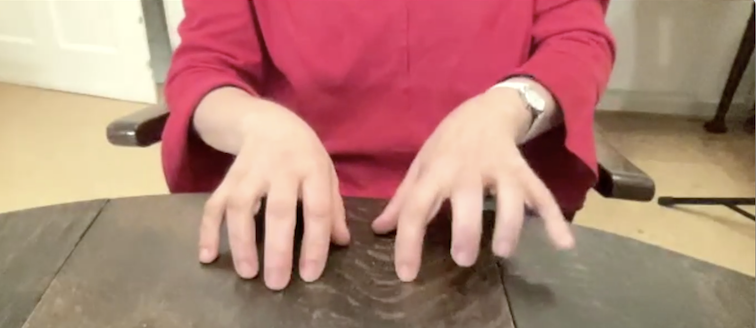
„Tongue out – Full focus!“ and „Tuning the harpsichord“ – all on Skype. I still wonder how we did it, but this kid won a Prize in a harpsichord Competition in Belgium, 2015.
“Basso Continuo Made Easy” Goes International
Fast forward to March 2025, and under the support of an incredible mentor – Sigrun.com – I launched a four-week free online course on a topic I not only love, but also love to teach in a very unconventional way: Basso Continuo!
In fact, it was an upgraded version of the course I had run the year before in German – both online and live – designed to provide an efficient and brain-friendly entrance point to the world of Basso Continuo, a technique that many fear as being too difficult to learn.
This English version – „Basso Continuo Made Easy – Think less play more“ – reached a wide international community, and it was so much fun!!!
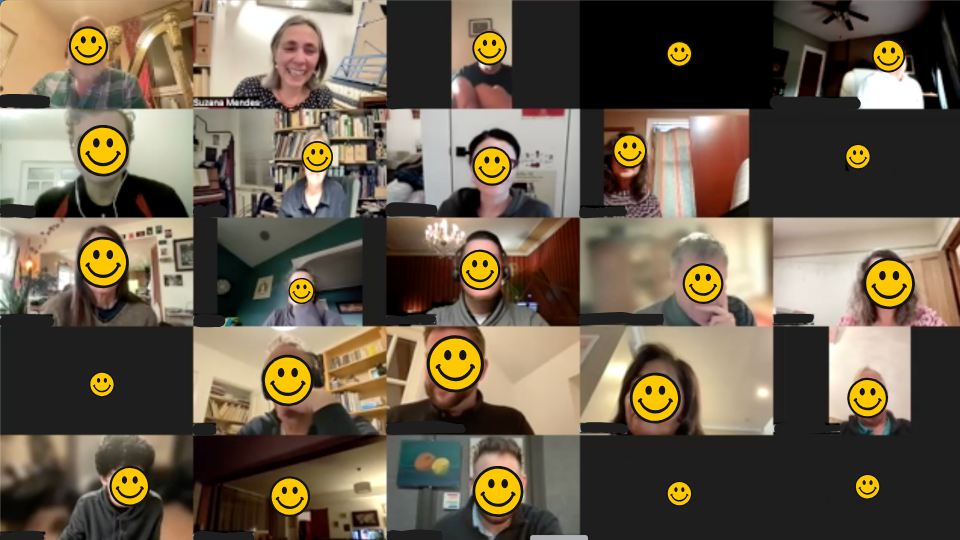
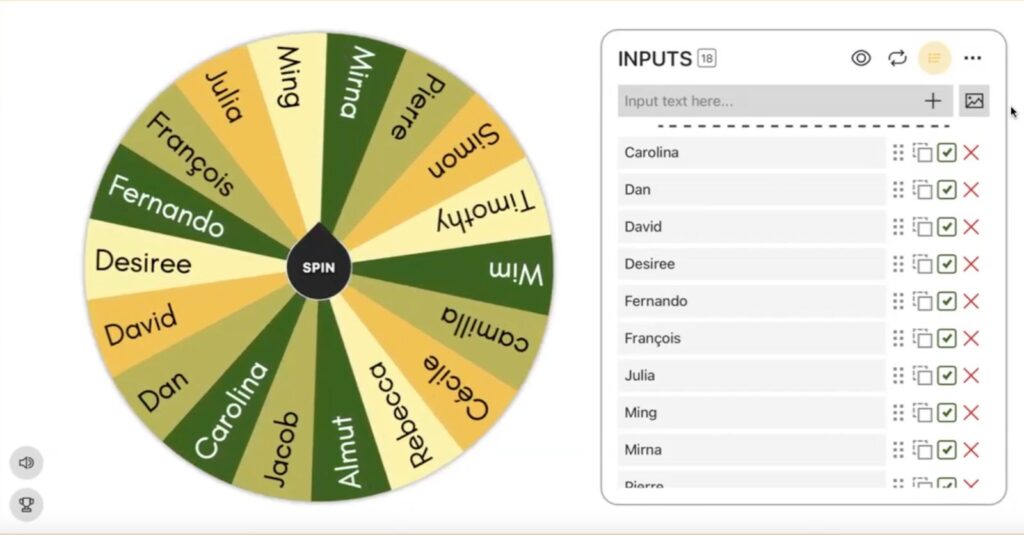
It was a free course, hosted in a Facebook group. Out of 230 sign-ups, 177 joined the group, and more than 30 were really active. Because students were so engaged – sharing, interacting, and giving me feedback – I could understand what they needed and respond with suitable strategies.
And this time, right at the beginning, people introduced themselves in such a funny and free way – showing pictures of their homes, families, and pets – which reflected a much more relaxed relationship with social media! I wasn’t used to that at all from my previous experience with a Facebook group in Germany. That playful and personal energy created a strong sense of familiarity right from the start.
By the way, I want to make it clear: Germany has the strictest internet and social media rules in the EU, and people here tend to be very cautious online. I do appreciate the data protection we have – and for my paid courses, I’m happy to use platforms that are EU-compliant and fully secure. Also, it may happen to anyone, at any time, to get banned from Facebook – due to a misunderstanding or whatever – and it makes much more sense to me to run my online courses independently from that platform.
But both Facebook group experiences were a clear lesson to me: online teaching isn’t just about delivering lessons. It’s also about creating connection, and offering a space where people feel safe and inspired to learn, share, and stay on track.
Offering my Basso Continuo courses in English has allowed me to connect again more internationally, in a way I really enjoy! Even the connection with my fellow Portuguese musicians has become more alive since then. And besides, when it comes to writing – a significant part of working online – English still feels easier for me than German. You’re not supposed to write German just like you speak, and if you’ve learned it mainly by ear, picking up how people talk – like I did – you are in trouble when writing! To write well in German is a chapter by itself, which was never a priority to me.

Meditation, Neuroscience & Teaching
Also 10 years ago, I restarted my daily meditation practice – this time very consistently – after getting in contact with Dr. Joe Dispenza’s fascinating work. This was not my first experience with meditation, but it was, for me, the most convincing approach, since I’ve always been deeply fascinated with brain science. I simply cannot imagine my life without this grounding daily practice anymore!
If you want to know more about Dr. Joe’s work and research, and turn to YouTube to find out more, please beware of the many second-intention AI videos circulating everywhere, and make sure you get your information from reliable sources – for example, this documentary or his official website.
Of course, this passion for neuroscience greatly influences my teaching style, and I wish everybody knew how much it can help us learn – or just cope with life’s challenges. But I usually avoid going too deep into brain-related explanations in my classes, especially if I suspect there might be a real expert in the room.
„What if I say it wrong? What if they roll their eyes at a musician pretending to be a scientist?“
Anyway, in the last live session of the online course, I summed up some neuroplasticity principles upon which I base my strategies, and at the end, one participant started commenting by saying, „I am a neuroradiologist…“ Honestly, for a moment I thought, “Oh, here comes the correction…” But instead, he just went on validating the method from a scientific point of view — for its brain-friendly start with building muscle memory and neural networks before linking it all to the (otherwise overwhelming) theory.
The Joy of Seeing It Work
Thomas had tried several times to learn this stuff and was very happy about the results he reached with my course. Moreover, he then joined the next Basso Continuo follow-up course that I offered, and in both of them he followed my instructions for each exercise quite as intended. A couple of weeks later, he started playing harpsichord continuo with the Zamus Amateur Baroque Orchestra – enjoying himself and supporting others!
Of course, he is also a very smart guy and an experienced amateur musician, but as a medical doctor, family father, and beekeeper, I am sure he doesn’t have much time for his hobby. He just optimized his available time and trusted the process ahead of seeing the results.
So proud of you, dear Thomas!

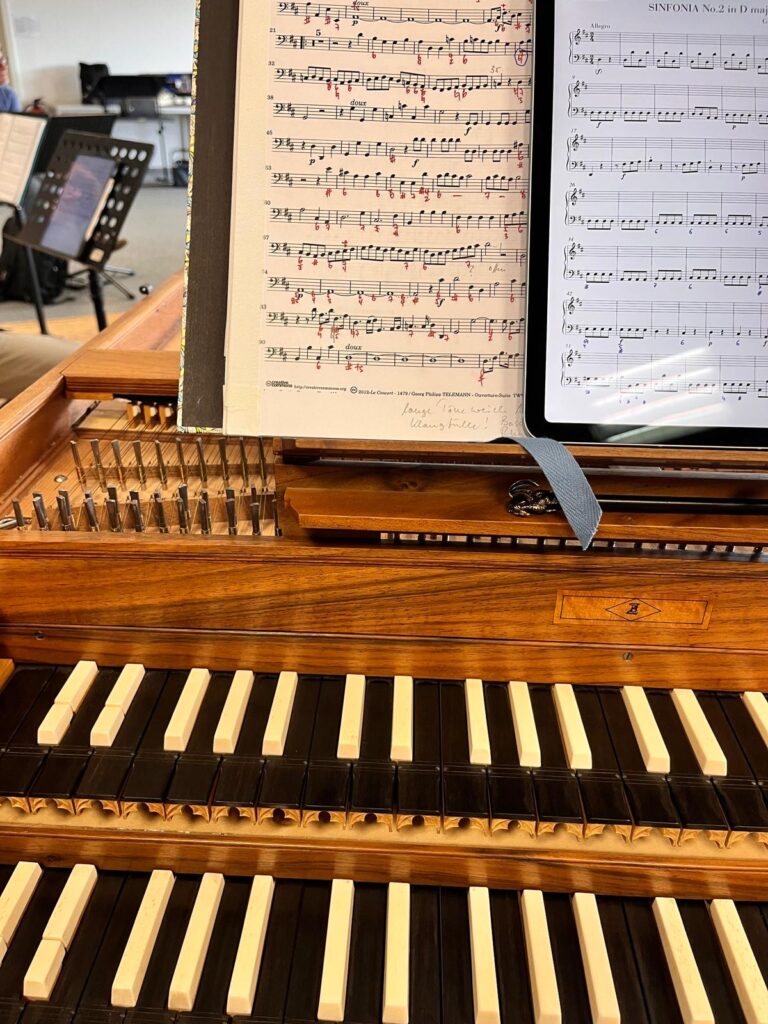
I can hardly express how happy I feel for him, and how much this means to me! Basso Continuo is definitely a technique you can only learn by doing – you elaborate the right hand according to your own skill level and free your energy to focus on what you hear instead of what you read – but that only comes after you pass the first threshold of building basic automatisms. Spending too much time learning theory before starting to play is not only unhistorical – it blocks people unnecessarily.
Language, Identity, and My Daughter’s Journey
One of the most exciting happenings of 2025 was watching my eldest daughter, Clara, begin her university studies in Lisbon — the very city I once left, decades ago, to begin my own international journey. But to make clear what that means to me, I want to give you some context.
From the beginning, I made up my mind to speak only Portuguese with my daughters — even though we lived in Germany — and even though, after they started going to school, they almost always answered me in German. Our conversations were often quite strange! Honestly, to maintain the discipline of speaking two languages in the same conversation — without mixing them in the sentences — is quite hard.
But I’ve never forced them to speak Portuguese, for that never goes well! But I also didn’t give up, because I believed:
“If they ever need it, they will easily turn the table around.”
It’s the same logic as when learning an instrument: You do the work before you see the results.
You practice again and again before it sounds good.
You trust the process, long before you see the proof that it works.
And this year, it all paid off. Clara not only decided to move to Portugal — she also studied and passed difficult national entrance exams, in Portuguese, all on her own. And now she’s living there: happy, integrated, and thriving.
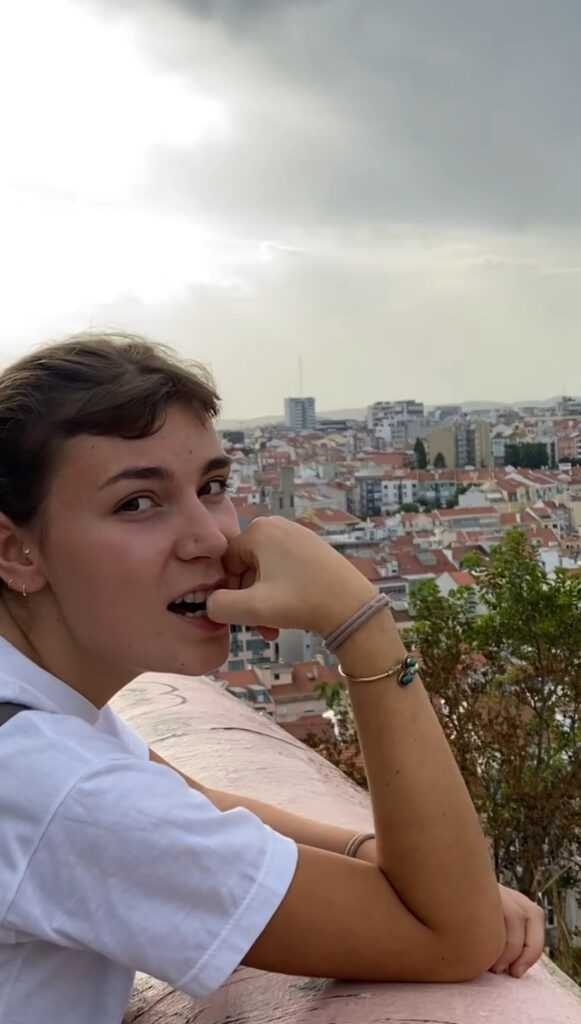

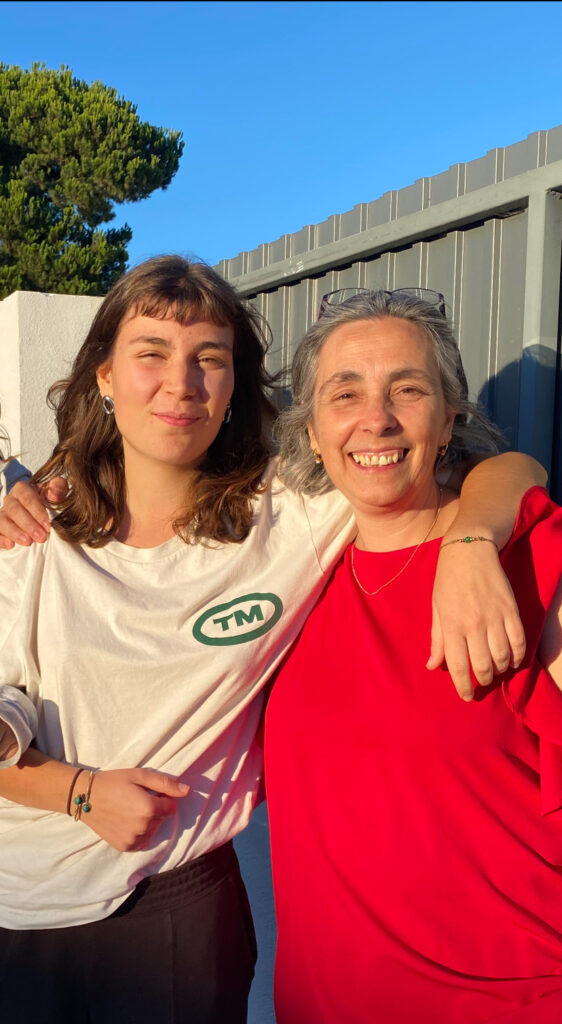

Her decision to leave Germany and study in Lisbon also made me reflect on my own journey. I left Portugal to study abroad — first Amsterdam, then Oslo, and finally Cologne. I had only ever planned for Amsterdam. The rest happened along the way, as life presented opportunities and twists I hadn’t imagined. Clara’s path is the mirror opposite of mine – and yet strangely similar.
She’s going into the culture I left.
But like me, she’s stepping into the unknown, reshaping her world, and giving herself the freedom to change.
Because that’s what leaving your home country does:
It forces transformation.
It allows you to shed expectations — your own, and those of others.
It gives you the distance to explore who you want to be, away from the familiar mirrors of family, friends, and culture. Even if you don’t intend to reinvent yourself, you still have to adapt — and something always shifts.
So yes, I can relate. More than she probably knows.
And I must confess — seeing her so happy in Lisbon makes me wonder:
Will I ever move back too?
Walking Harpsichords and Other Adventures in Letting Go
I recently found this address-change postcard I sent to my friends 30 years ago and hung it on my door. The idea of moving while caring only that much is really amusing to me right now! I clearly remember how easy it was to move around back then – which happened quite often – with very few possessions.
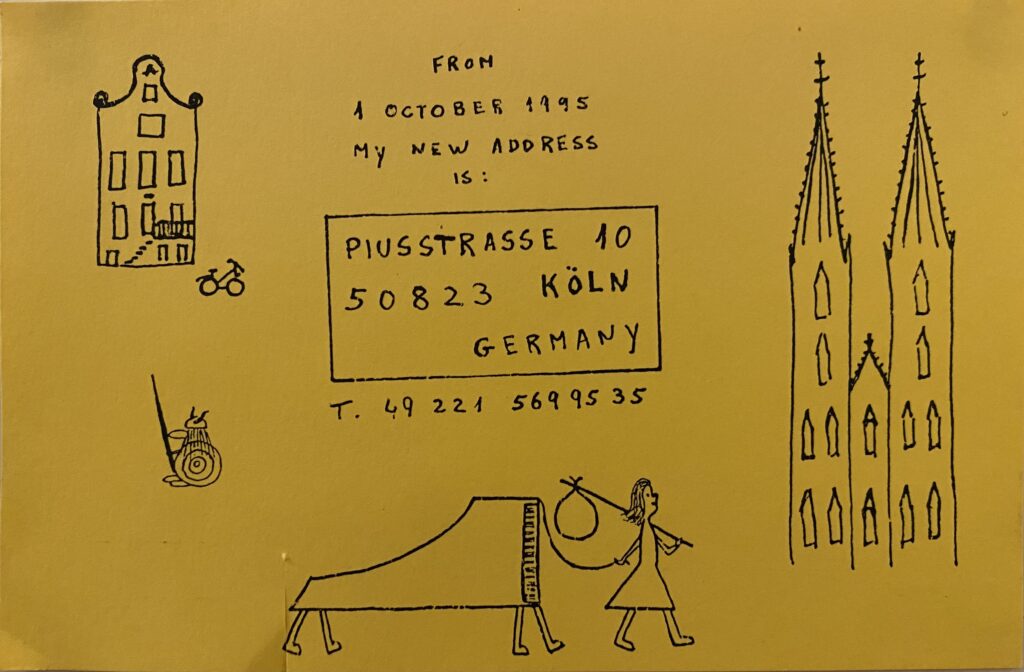
Also, looking at this postcard I drew myself, I recognize that the harpsichord would have been, back then, my biggest concern when moving. Today – although I have several keyboard instruments – they would be the smallest problem for me. But the small stuff… oh my God!
I’ve been well aware, for a long time, how much I now possess that I don’t really need, and hanging this postcard really helped me summon the courage and steadiness to start discarding things. I can’t say I’m good at it – I find it really hard to reduce, especially when it comes to books – but I’m very proud of how many things I said farewell to this year. And I know: many more will go in 2026!
Recently I read a book on minimalism, Goodbye, Things! by Fumio Sasaki. There are some really radical insights in it, but it’s so important to reflect on how far you want to go. In the end, it is – and always will be – our choice how much we keep in our lives.
Mentors Who Shaped Me — and Still Do
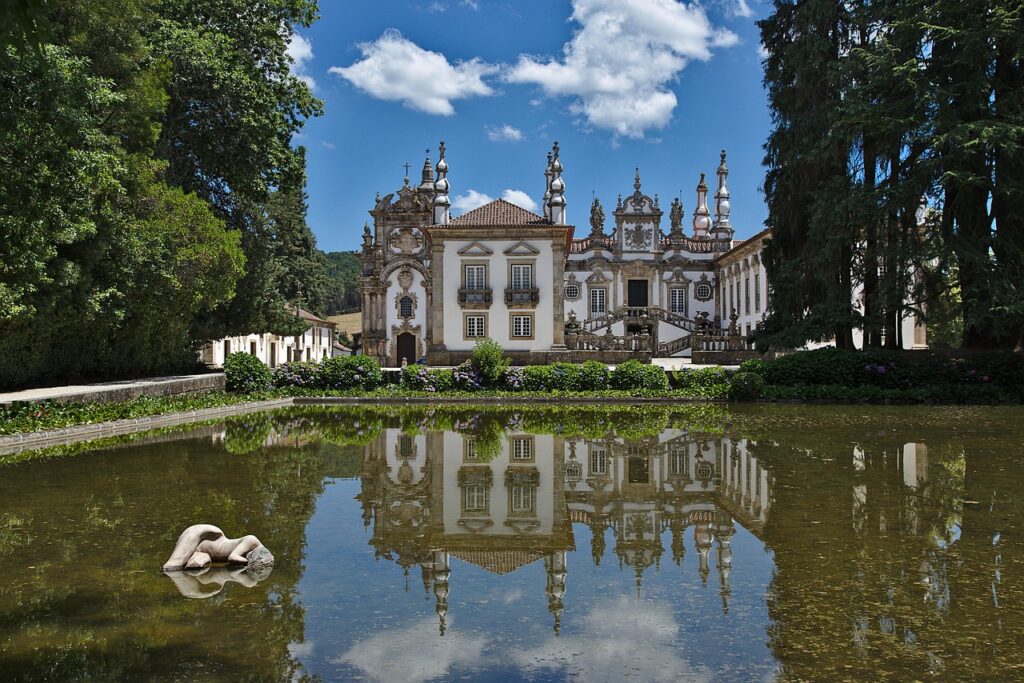
2025 also brought me the chance to hear concerts by the two most inspiring teachers I’ve ever had – Richard Egarr and Ketil Haugsand. I met both for the first time in 1987, during the Early Music Summer Courses and Festivals held in Portugal, at Casa de Mateus. That’s where I truly fell in love with early music performed on baroque instruments!
Back then, there were still no regular courses on such instruments in Portugal. These summer courses – under the direction of Marie Leonhardt – were crucial in establishing the early music scene in Portugal. Marie was deliberately active in engaging young Portuguese participants. One of her strategies was to mix us beginners into ensembles with advanced students. I don’t think those advanced students were particularly happy about that – but oh, did it work out for us, beginners?! Those courses were absolutely magic!
After a long break, Casa de Mateus is now offering International Baroque Music Courses again.
Richard Egarr
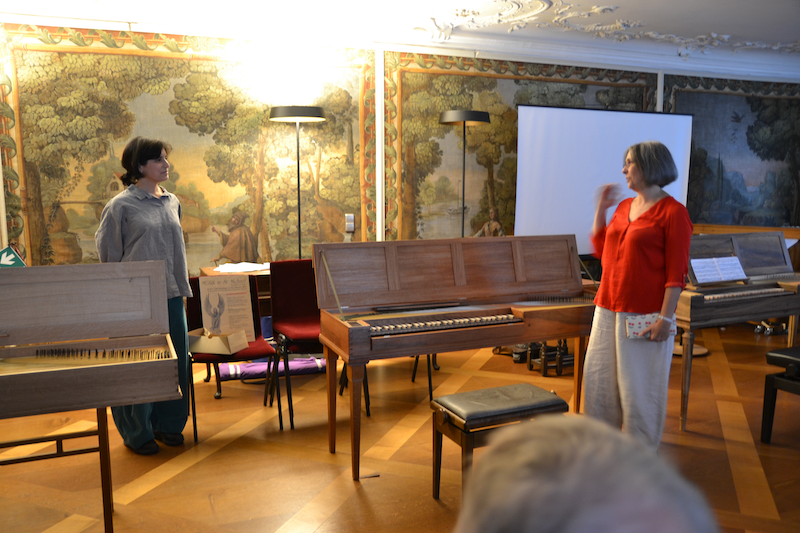
In May, Richard Egarr played a four-hands program with his wife, Alexandra Nepomnyashchaya – Duo Pleyel – in Cologne, at the zamus: early music festival.
They performed on a Pleyel piano from 1848. As always, not only the music we heard, but also the way it was presented, was deeply inspiring! Richard’s moderation always reflects how he experiences music as a way to connect and feel emotions – from whichever perspective. After the concert, we enjoyed some more time together in one of my favorite restaurants, and honestly: no social media interaction can ever compare to laughing together in real life! It was so great!!!
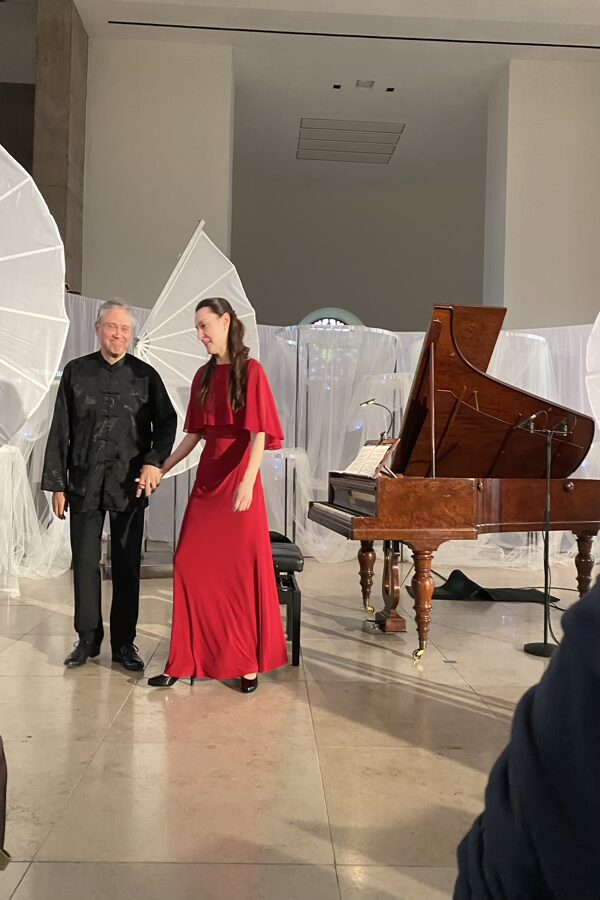
Alexandra Nepomnyashchaya
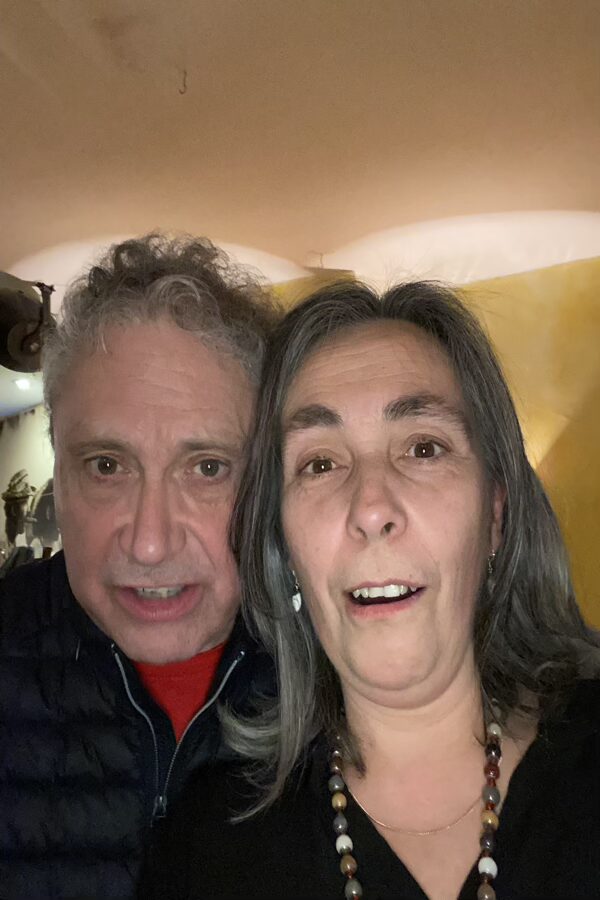
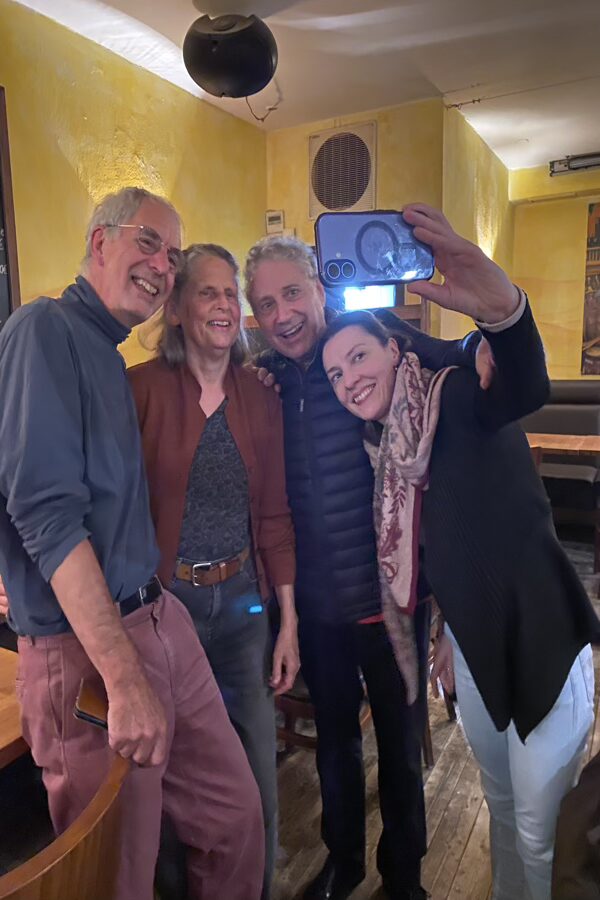
Irmgard Schaller, former colleagues
Ketil Haugsand
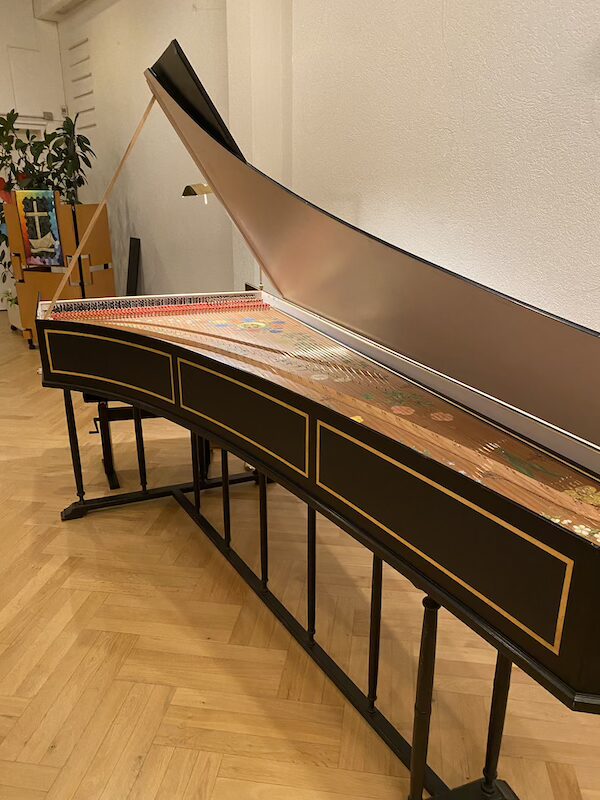
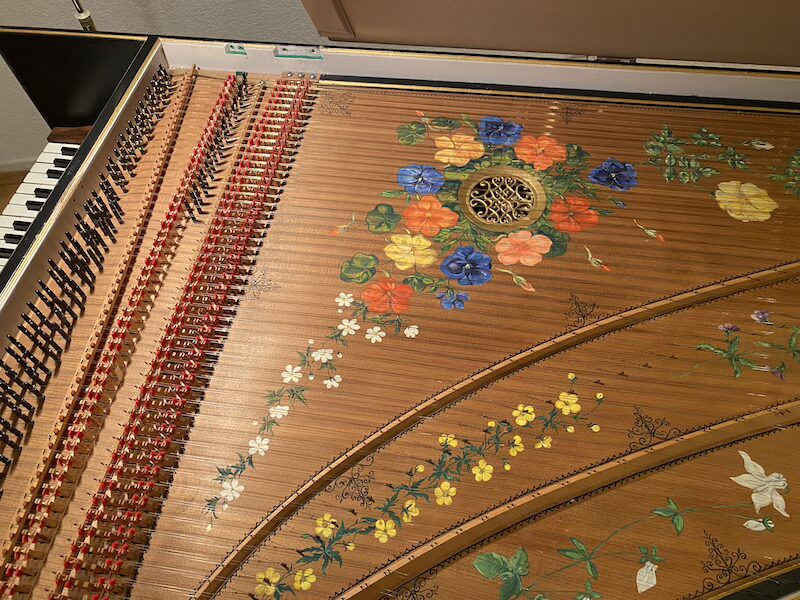
Ketil Haugsand is in fact guilty that I came to Germany – to study with him, and he also moved to Cologne 30 years ago. He played a beautiful concert in October, in the Friedenskirche, a church where he also plays the organ. And the instrument he used for the recital has been build by himself in the 70’s, for my former teacher in Amsterdam – Anneke Uittenbosch – who passed away in 2023. Ketil has restored the instrument thoroughly in 2025 and, with this concert, he presented it again to the public. It was such a joy to see and hear this so familiar instrument again, played by the builder and such an inspiring teacher for me! Again, I don’t remember any concert by him, where his moderation didn’t bring the listener to laugh, or just help them feel at ease and truly enjoy the music.
By no way I mean with this, you always have to give what people expect or always please them. But it is precisely when you have something different to communicate, that you need to make sure, your public is really present and emotionally engaged. And the rest – how they react to it – is up to them.
These two great communicators have always been a huge reference to me! As a musician, can you do a good job if you do not establish a proper connection with your public?
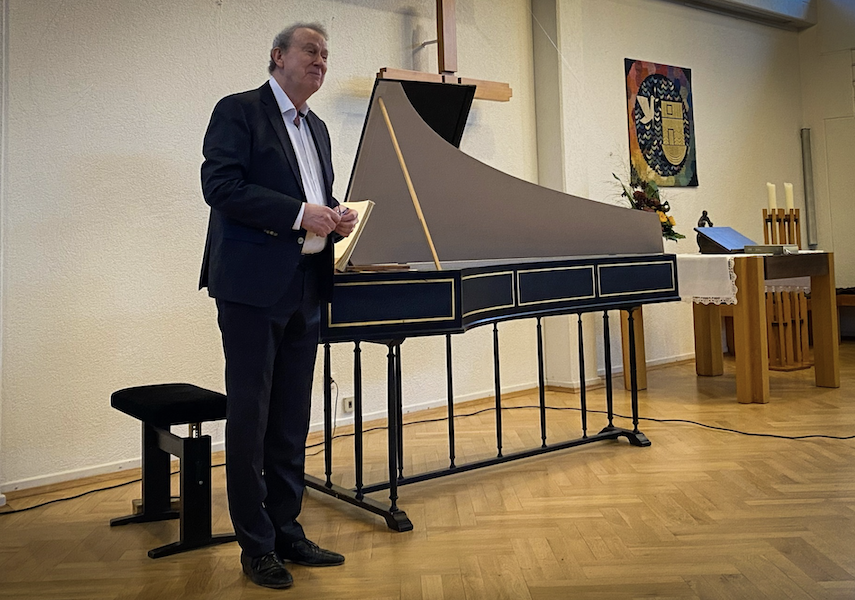

Building More Than Instruments
Ketil is not only a wonderful harpsichordist and inspiring teacher. His passion for handwork and instrument building has even “infected” some of his students — including me. He was always ready to help or offer advice in a very pragmatic way, which I really appreciated. His openness and encouragement in this field meant a lot to me.
Geert Karman
And speaking of building instruments: since I first met him in 1992, my dear friend Geert Karman kept encouraging me — year after year — to build one. Until finally, in 2000, I built a clavichord under his guidance.
That’s 25 years ago!
At first, I built it simply to have an instrument to play myself. But what I learned by doing it turned out to be incredibly valuable in my life as a harpsichordist and teacher — allowing me to repair older instruments for students to start with, before they could afford a new one.
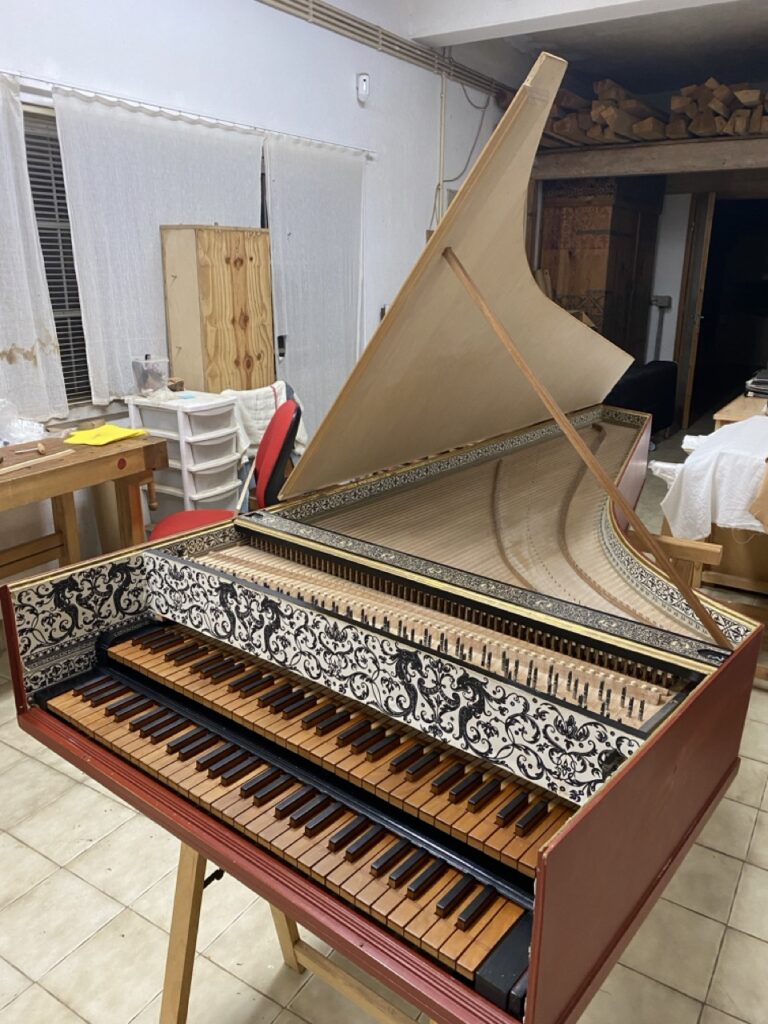
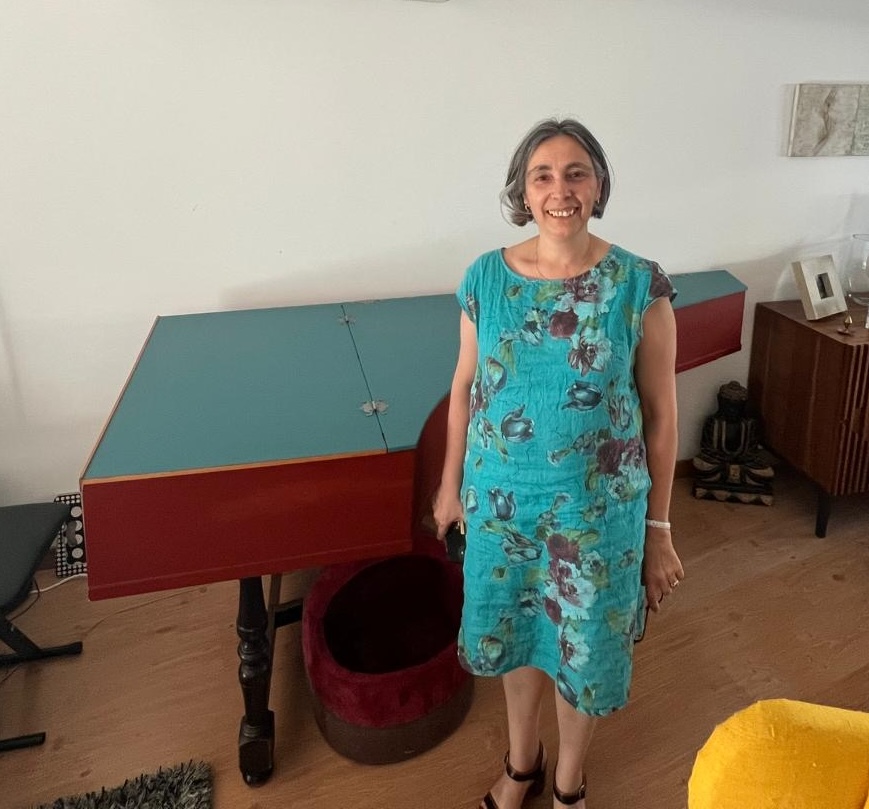
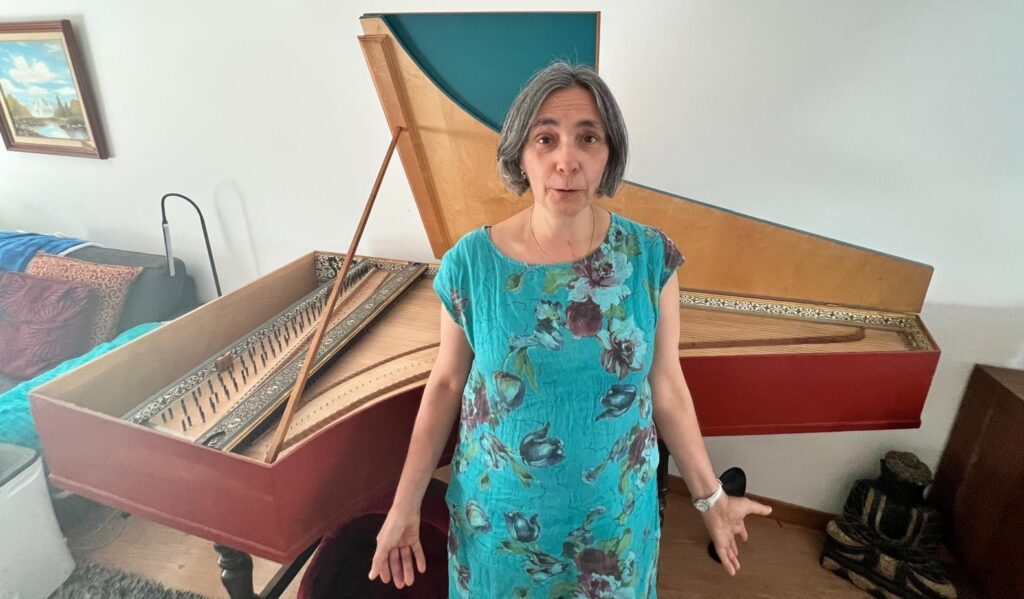
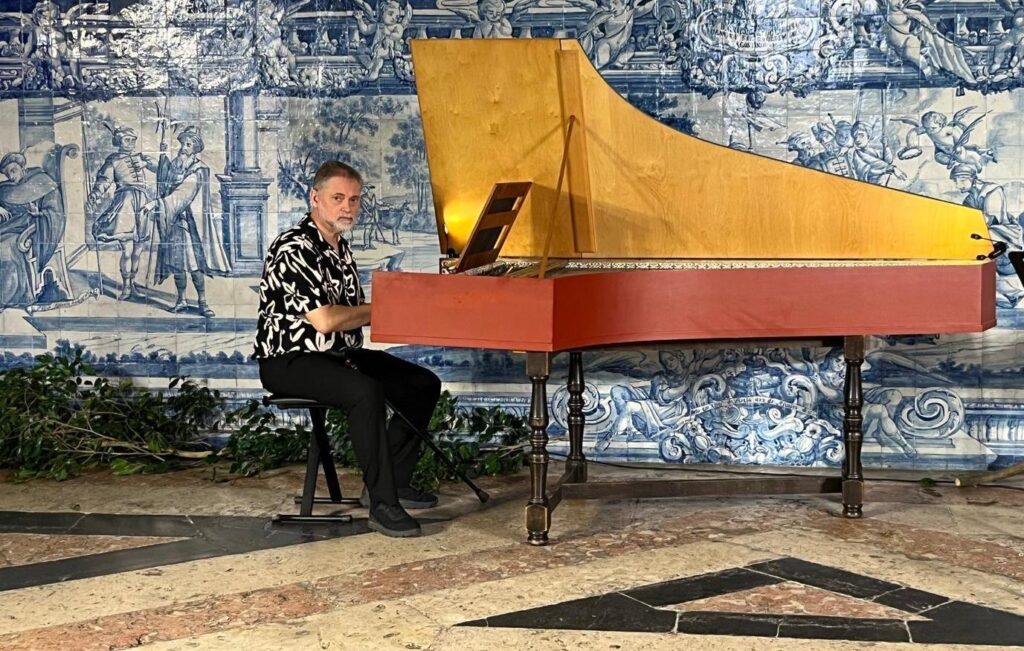
In March 2025 I’ve again worked in Geerts workshop, while fixing my old instrument – a Couchet/Blanchet/Taskin – built by Franz Crijnen, the father of Titus Crijnen. The instrument belongs now to my dear friend Antonio Carrilho.
By the way, Titus also taught me a lot about instruments back when I was living in Amsterdam.
Having had such masters — who not only teach, but truly believe in their students — has shaped the way I pass things on today.
A Solo Concert and a Visit up North Germany
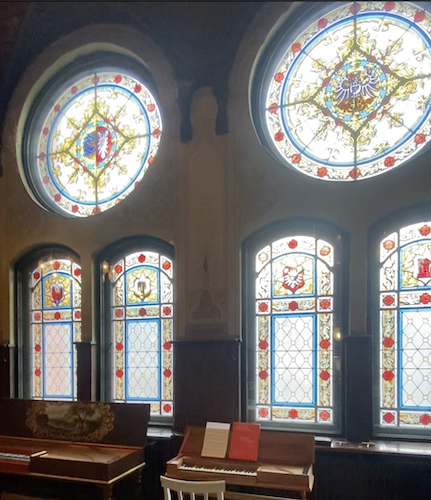
One of my most exciting and challenging musical experiences this year was a solo recital I gave at a Bach festival in Neumünster, in Northern Germany. I played a program of J.S. Bach and Buxtehude on two clavichords and a harpsichord, in the beautiful historic town hall. Besides the fantastic stained glass windows, the acoustics were excellent – everything made of wood – which is so important when playing clavichords in concert.
There was a misunderstanding about the time of the concert – it had been announced for two different times — and that caused some confusion and compromised the time I had available to tune all three instruments.
In a way, it’s an advantage when someone else tunes for you – like I sometimes get hired to do for other musicians – because the time for that gets seriously scheduled, and you can rest during that time. On the other hand, especially for a solo concert, tuning my own instruments is where the concert begins for me. I tune them exactly how I want them, and that gives me more confidence. So, these kinds of surprises just belong to the job. No big deal!
Organs, Architecture, and the subtle Coastline
After the concert, I took a small trip further north to visit a student from my online course, and we had a great time together! Brigitte Wolff is a retired architect with an extraordinary passion for building and restoring harpsichords, as well as designing all kinds of clever and practical tools for musicians: foldable benches, adjustable iPad stands, and other objects that simply make musicians’ lives easier. You can check it out here: allesfalten
She gave me a personal tour of the region — one I had never explored before.
Coming from Portugal, where the seacoast is always visible and dramatic, I was fascinated by how invisible the coastline is in Northern Germany — and deeply impressed by the engineering it takes to make and keep this region habitable: the dikes, the structures, the knowledge passed down through generations to manage such a challenging landscape.
Sheep are kept on dikes because their grazing keeps the grass short and dense, which helps protect the soil and maintain the stability of the dike. Their hooves gently press the ground, which actually strengthens it rather than damaging it.
But rabbits and other digging animals have a hard time, with their wholes getting stopped in immediately by the dike keepers, for they can weaken the structure.

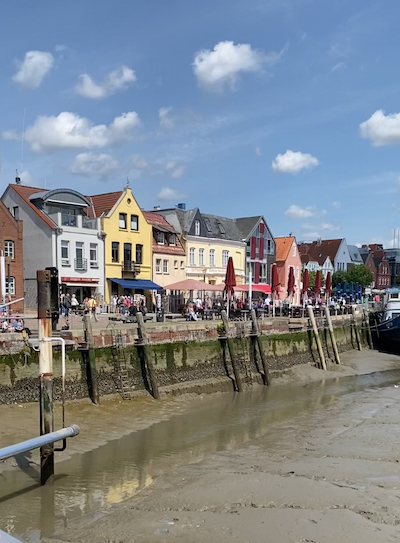
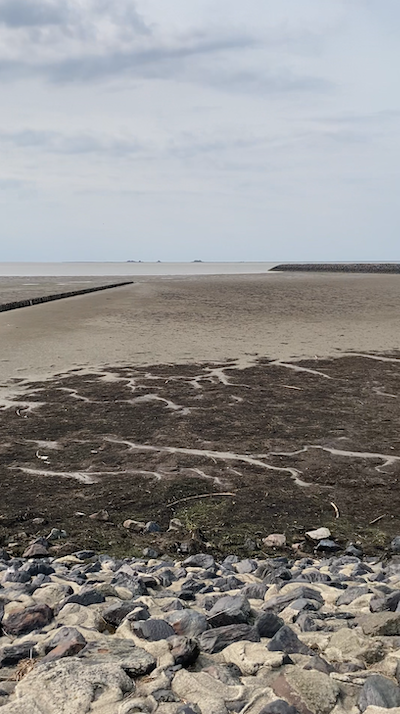
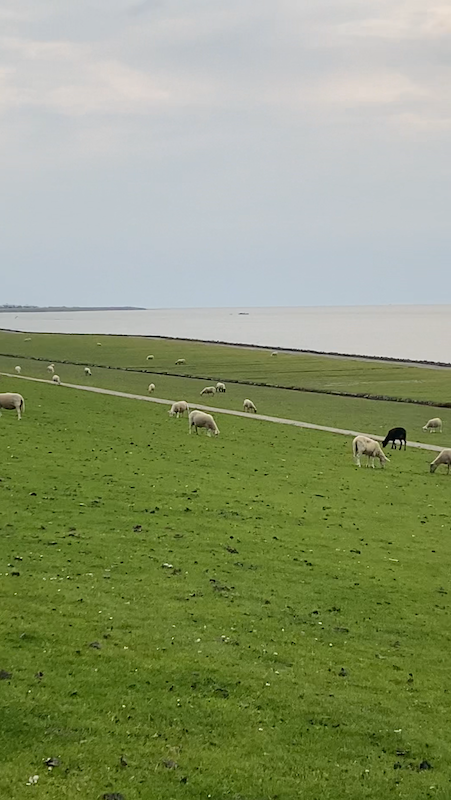
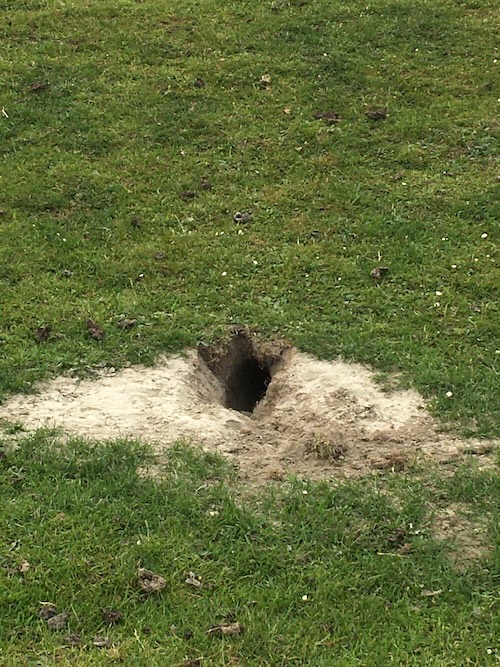
Visiting the churches where key composers of the North German school once worked was absolutely fascinating. Brigitte had stories to tell about almost every building, after having spent decades working as an architect directly in the field — planning, building, and rebuilding.
It was June, and the weather was quite nice, although temperatures up there never get very high. Walking through that landscape made me feel history in a very physical way.
My Experience with Learning Languages (Revisited)
Songs: My Gateway to Learn a New Language
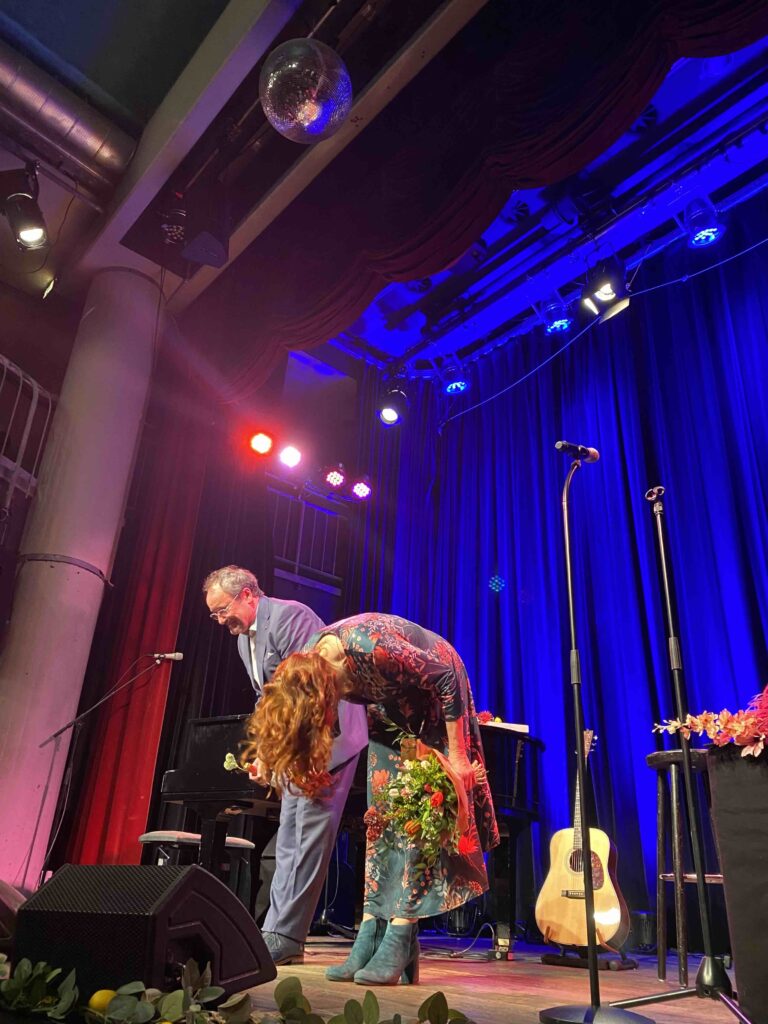
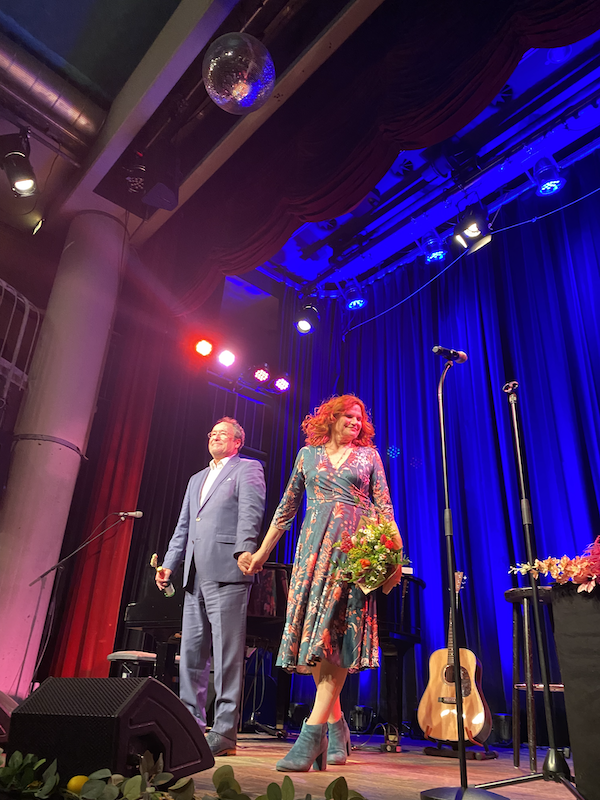
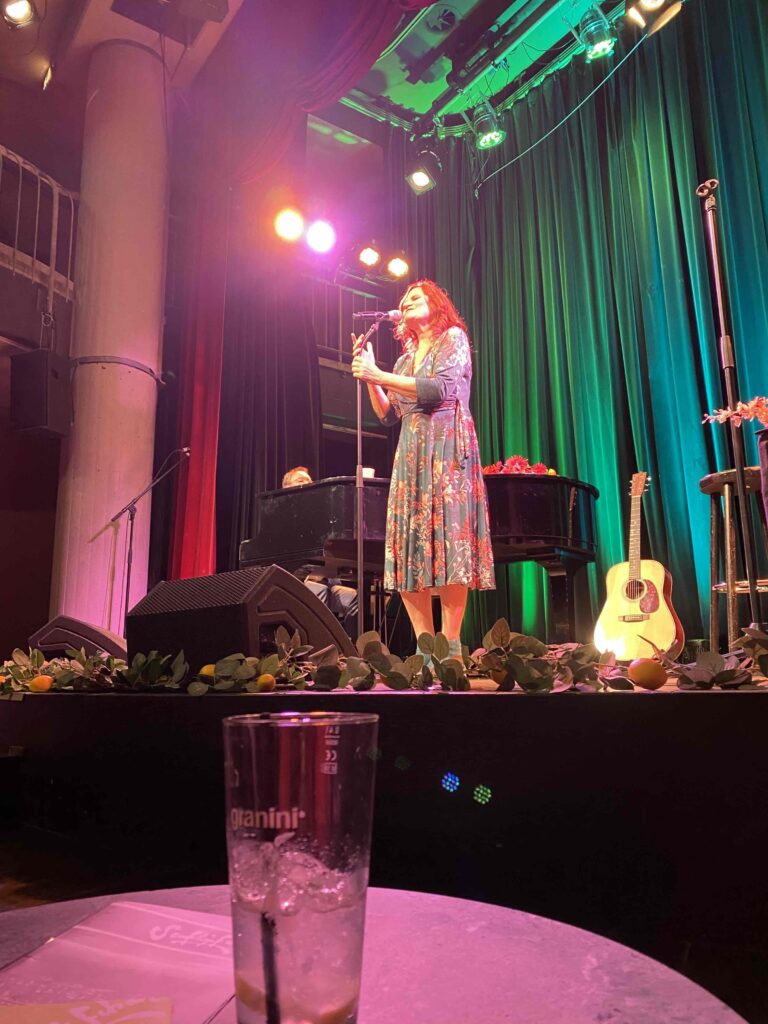
In 2025, I finally attended a live concert by a singer-songwriter I absolutely love – Pe Werner. I owe her a lot, because it was through her songs that I first started learning German!
Let me explain…
I’ve always found language courses incredibly tedious – honestly, a waste of time! I’ve learned six languages, and the ones I speak best are the ones I learned by using them. Immersion works. Classrooms, not necessarily.
Back when I was living in Norway and knew I’d be moving to Germany for my further studies, I couldn’t speak a word of German yet. So I went to the Goethe-Institut library in Oslo to find some music to help me start.
And here’s what I found:
- Children’s songs, many of which were oddly familiar! I had learned them in Portuguese during my first musical education in Lisbon. Why? Because in the early 1970s, the Calouste Gulbenkian Foundation launched a huge initiative in Portugal to bring quality music education to children. The teachers had been trained in Switzerland by Edgar Willems and his students, and they brought with them the central idea that children’s songs are the foundation of musical development. So many beloved German songs arrived in Portugal – just with new Portuguese lyrics!
- Reinhard Mey, a legendary German singer-songwriter known for his poetic, story-rich lyrics.
- And… Pe Werner, with her incredible voice, dramatic delivery, and very impressive texts. I was hooked immediately and began learning songs like Rosa and Stockfisch – long before I had any idea what I was actually singing!
Here’s a taste of Stockfisch:
| Du bist ein Stockfisch Du schaltest auf stur Du bist ein Stockfisch Machst auf die knallharte Tour Stockfisch Rede mit mir Oder knall wenigstens mal mit der Tür | You’re a dried cod You’ve gone completely stubborn You’re a dried cod Playing it the hard-line way Dried cod Talk to me Or at least slam the door for once |
A Full Circle with Pe Werner
Gradually discovering the meaning of those song lyrics was a very funny process, indeed!
And then – as if the universe wanted to tie up this story with a bow – I came across Pe Werner again in 2025. She’s still very active: composing, recording, and touring. And it turns out… she even lives in Cologne, just like me!
In April, I heard her live in a small and cosy theatre nearby. I was sitting right in the front row — and I fully enjoyed every minute of the concert. Her stage presence was remarkable, and she was accompanied by a fantastic pianist, Peter Grabinger. For two songs, they were even joined by their own sound engineer, who played blues harp and added backing vocals. It was fun, intimate, and simply marvelous.
I loved it so much, I already booked the next concert with her – for 2026!
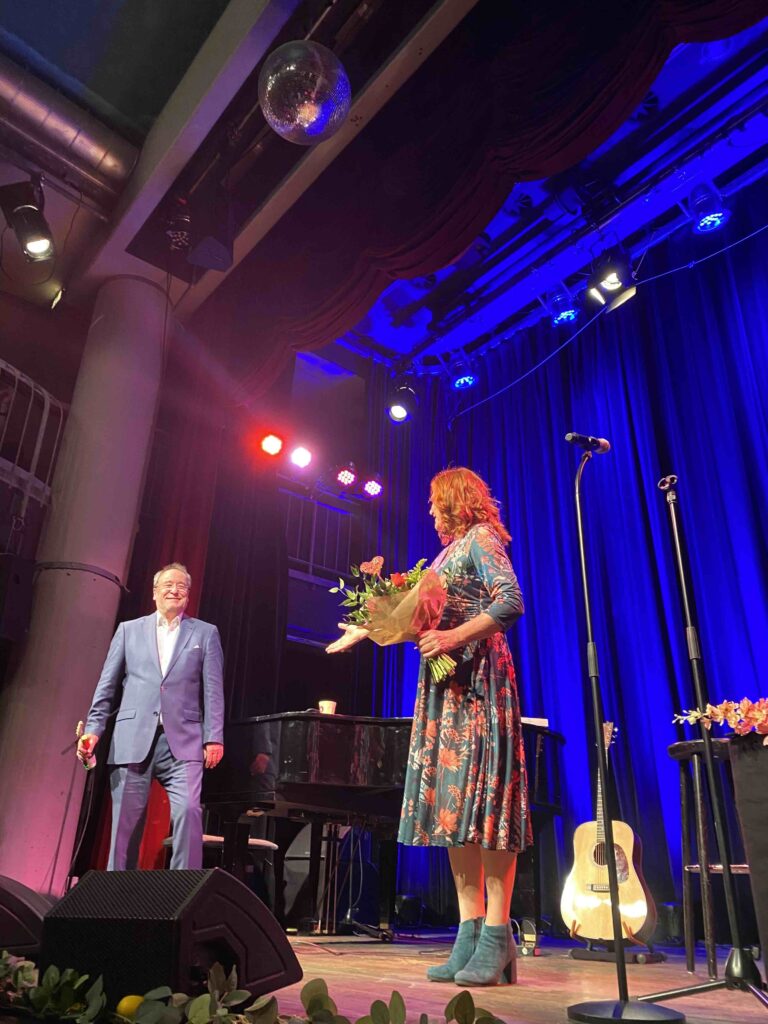
Learning new languages with songs – a brain hack!
Singing Before Speaking: My Favorite Way to Learn a Language
Learning songs in a foreign language before actually learning the language was something I started just for fun. But it turned out to be a wonderful learning strategy.
I had already done this in the Netherlands, and I learned Dutch pretty fast.
The concept is very simple: You just pick a song you enjoy and learn to sing it – by imitating as closely as possible what you hear. That means, long before you understand the meaning of what you’re singing. By the time you get around to analyzing and learning the grammar of the lyrics, you’re already familiar with important things like pronunciation and the word order – which, for me, was the hardest part to grasp in both Dutch and German. It’s just so different from the Roman Languages!
Another major advantage is, if you don’t know how a word is written before you learn the sound of it, you will not try – even if unconsciously – to speak characters out that are not meant to, you only focus on the sound. The same happens with music, by the way!
Forget about logic – you’ll waste your time trying to find it. Just repeat it until it becomes familiar.
Even better: You’re learning vocabulary in context, which increases the chances of using it correctly in similar situations later.
And best of all: You’re not sitting in a classroom memorizing things you’ll forget the next day – because they didn’t bring you any joy, or because you won’t need them again before they vanish from your short-term memory.
Experience Before Understanding
This concept – experience first, theory later – is also the foundation of how I teach Basso Continuo.
It all brings me back to the pedagogy of Edgar Willems, and its principles, like for example:
“La vivance avant la conscience”
(Sensorial experience before conscious understanding)
That one sentence shaped the way I see things to this day.
Breathing New Life into the German Clavichord Society
Fifty Times Around the Clavichord
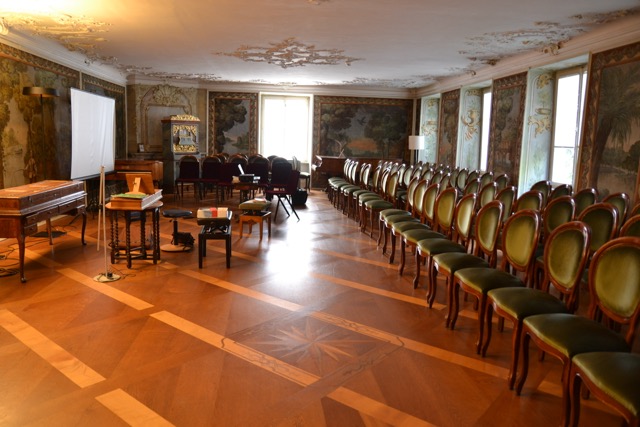
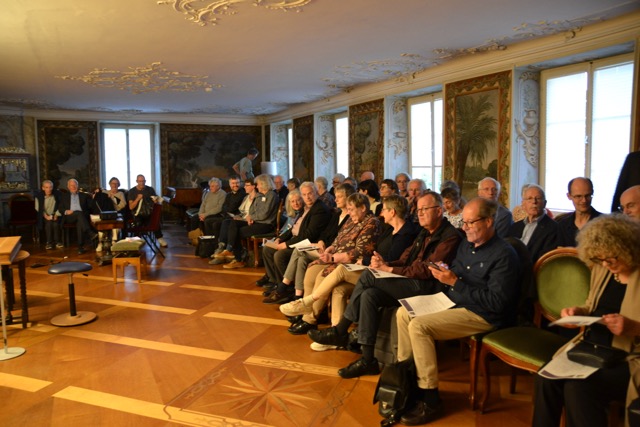
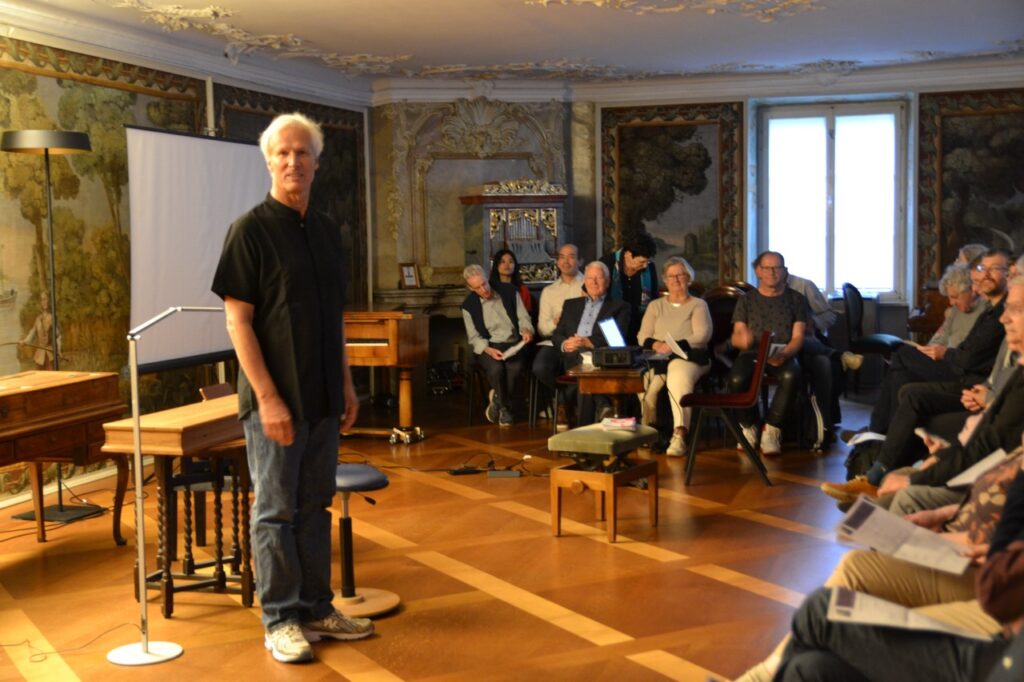
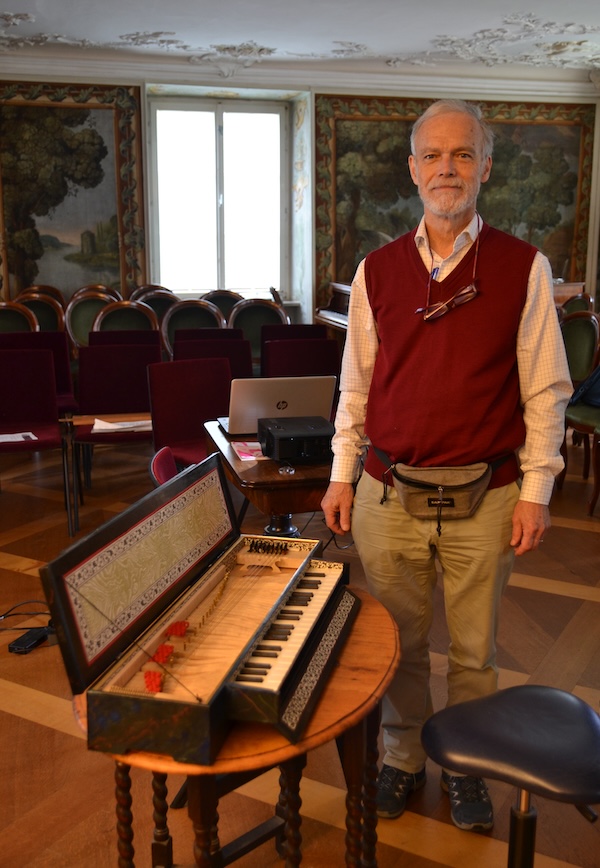
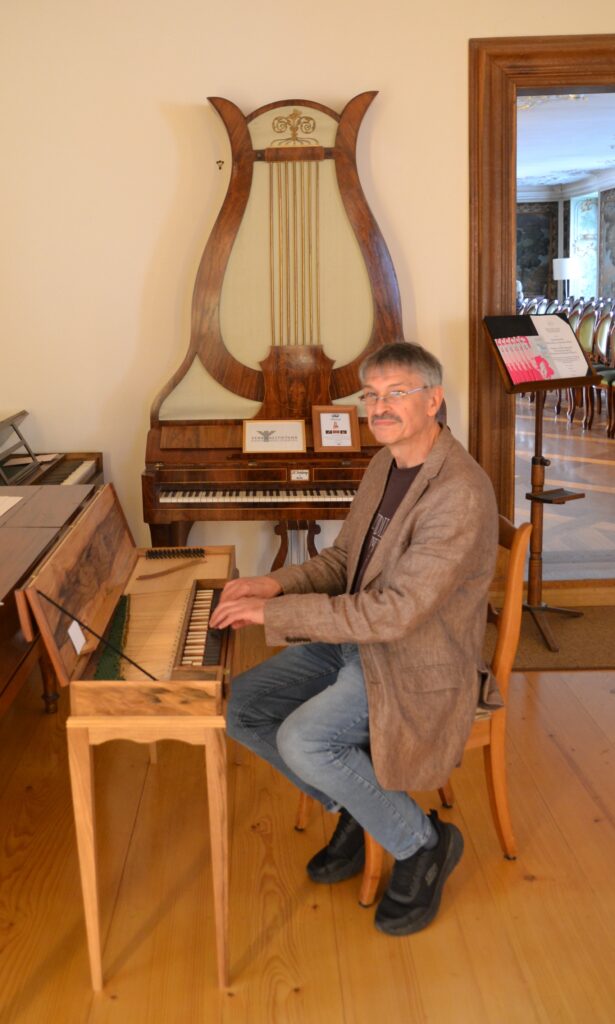
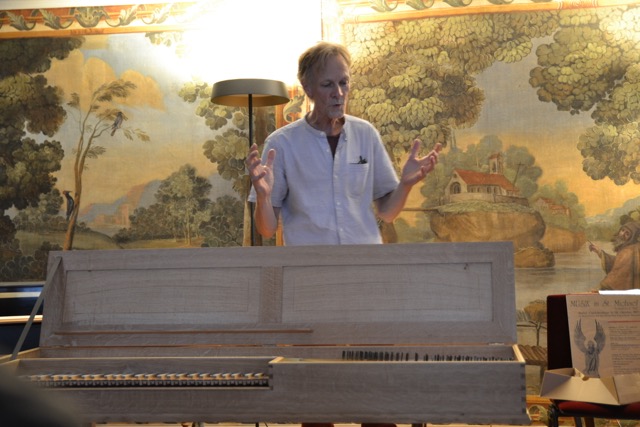
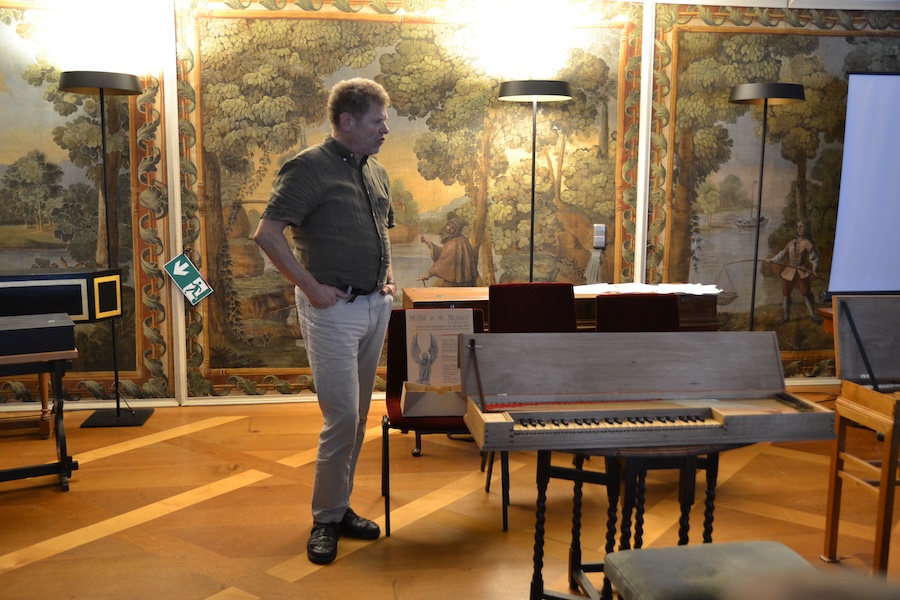
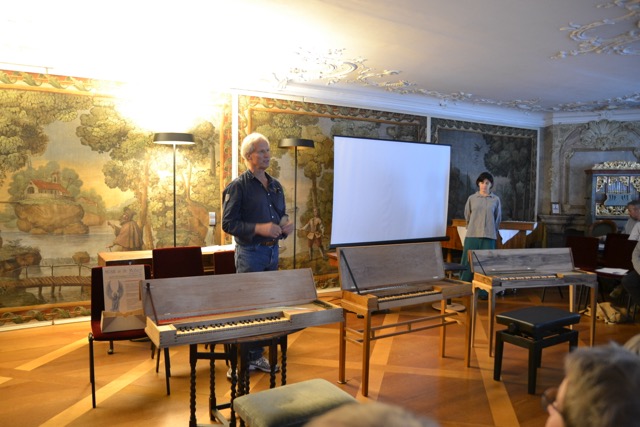
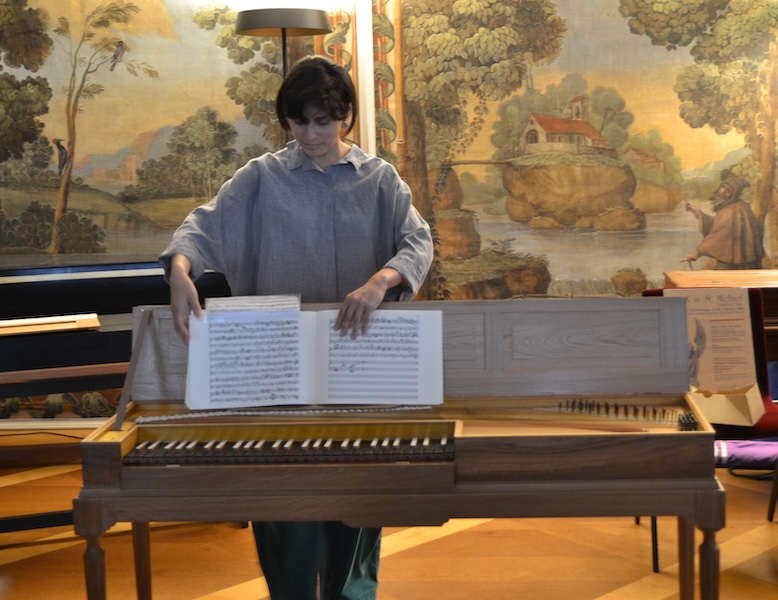
Another major highlight of 2025 was the Clavichord Days in Bad Krozingen, organized by the German Clavichord Society — for the 50th time! It was a weekend full of music, lectures, instrument exhibits, and passionate exchange. But more than that, it marked a turning point: a return of vitality to a society that had almost faded away.

From Crisis to Revival
When I took on the role of President of the Society — from 2022 to 2024 — the association was in real danger of disappearing. Membership had dwindled, public interest was low, and many believed that the time for this kind of initiative was over. Other countries had already closed their clavichord societies. People said, “It’s just not modern anymore.” But I couldn’t live in peace with the idea of losing this institution, which had given me and others so much.
Thanks to the effort of many clavichord lovers — especially Lothar Bemmann, who left us in 2024 — the DCS holds the largest data collection related to the clavichord in the whole world! And I believed that with modern technology, it’s easier than ever to connect people who share niche interests like this. But of course, someone has to do the work to make that happen.
Taking the Role — Just for a While
I first tried to convince others to take on the role and start a renewal process. When that didn’t work, I stepped in myself — committing to a short but focused term to help revive the society’s popularity, increase communication among members, and make it more appealing to younger generations.
I had no experience in this kind of position, nor much time to dedicate. But I had a team, and a belief that challenging the status quo — even when it feels scary — sets new energy in motion.
I learned how to send newsletters with more interactive content and focused on creating small but meaningful ways for members to reconnect around the clavichord throughout the year — through online initiatives like a monthly video call or an Advent calendar on Signal. Even if not all ideas took off, they helped keep the conversation going and drew attention to the society. All of this was meant to build momentum and connection leading up to the Clavichord Days — our main annual gathering, which brings people together from across Germany and abroad.
Social Glue – Greater Joy
One simple trick: at one of the events, I arranged food and drinks to be served at the venue, so that people stayed together in the breaks. The result? People socialized so much more — adding up to the energy of the whole gathering!
I was honestly surprised by how many participants remarked on it afterward. From my Portuguese perspective, this felt quite natural — food and drinks at gatherings are social glue! But the strong positive reaction made it clear just how meaningful these “small” details can be in fostering connection. Of course, it’s not always possible to offer that — depending on the venue and logistics — but the impact was unmistakable, and it helped pave the way for similar ideas at future events.
Passing the Torch
When I handed over my role in 2024, I did so with pride and gratitude.
Now it makes me really happy to see how the Society has gained new momentum. Projects are starting, ideas are flowing, joy and confidence are back. I don’t claim this happened because of me, but I truly enjoy seeing it! I had a great time reconnecting with other clavichord enthusiasts in Bad Krozingen this year, and I feel deeply grateful for that opportunity.
Rewriting My Beliefs About Cold
Five years ago, I started ending my warm showers with cold water – and let me tell you, cold water in winter in Germany is really cold!
But now, I can honestly say: this is another thing I don’t want to miss in my life anymore. It’s become truly enjoyable! Since decades I had admired this practice – which is, by the way, quite common in northern countries – and I always wondered how people managed to do it. Getting to know the work of Wim Hof, the “Ice Man,” only increased my wish to overcome my resistance and experience the benefits so many people talk about. It only started to change when I began to examine my beliefs around cold.


Growing up in Portugal, I remember being constantly warned against cold. Cold was to blame for all sorts of illnesses – it was just inherently bad!
So when I moved to Germany and found out that people here actually seek out fresh air and cold especially when they’re sick… I was honestly shocked. That discovery caused a fair amount of cognitive dissonance, I would say! But it also an important reminder:
Perceptions and beliefs are deeply shaped by culture.
I realized I had to build a new relationship with cold before I could install this new habit. So I worked on it deliberately for a while, and once I shifted my perspective from the inside out, everything became easier. The truth is, once you get started, you do feel the benefits right away! And it becomes addictive – in a good way!
If we are going to get addicted to anything, why not to something beneficial?

Other Special Moments in 2025
“How Come You Don’t Know This Place?!”
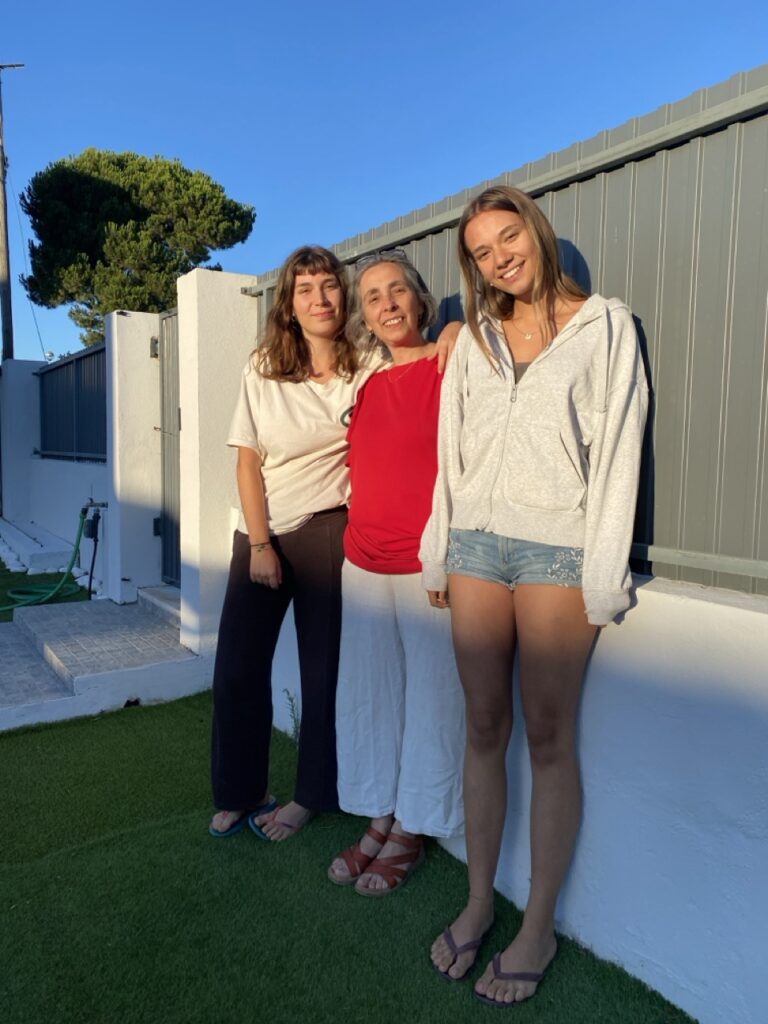
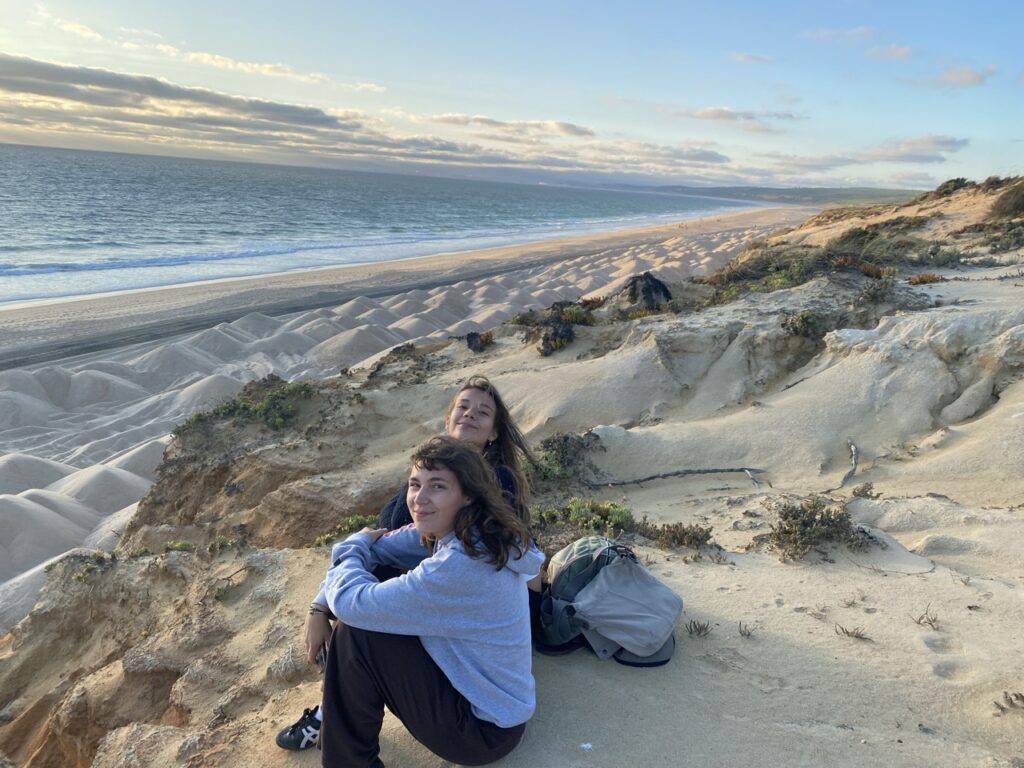
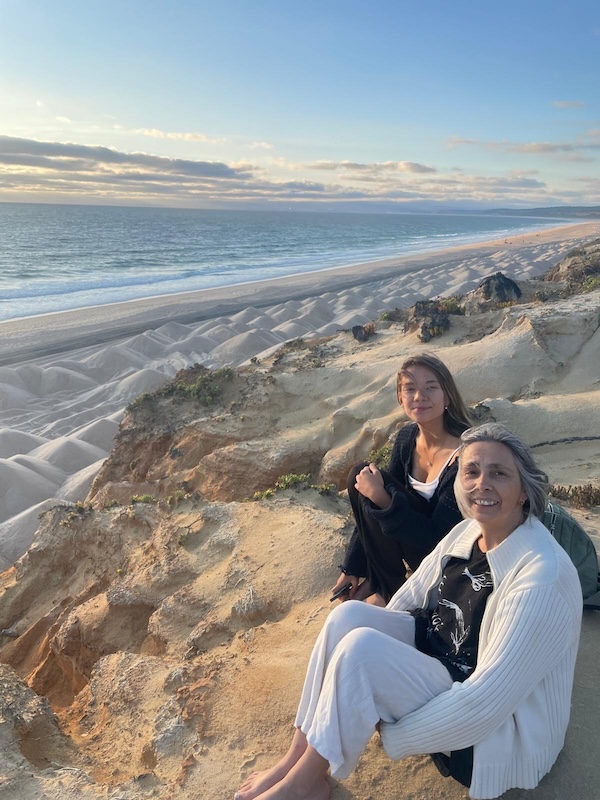
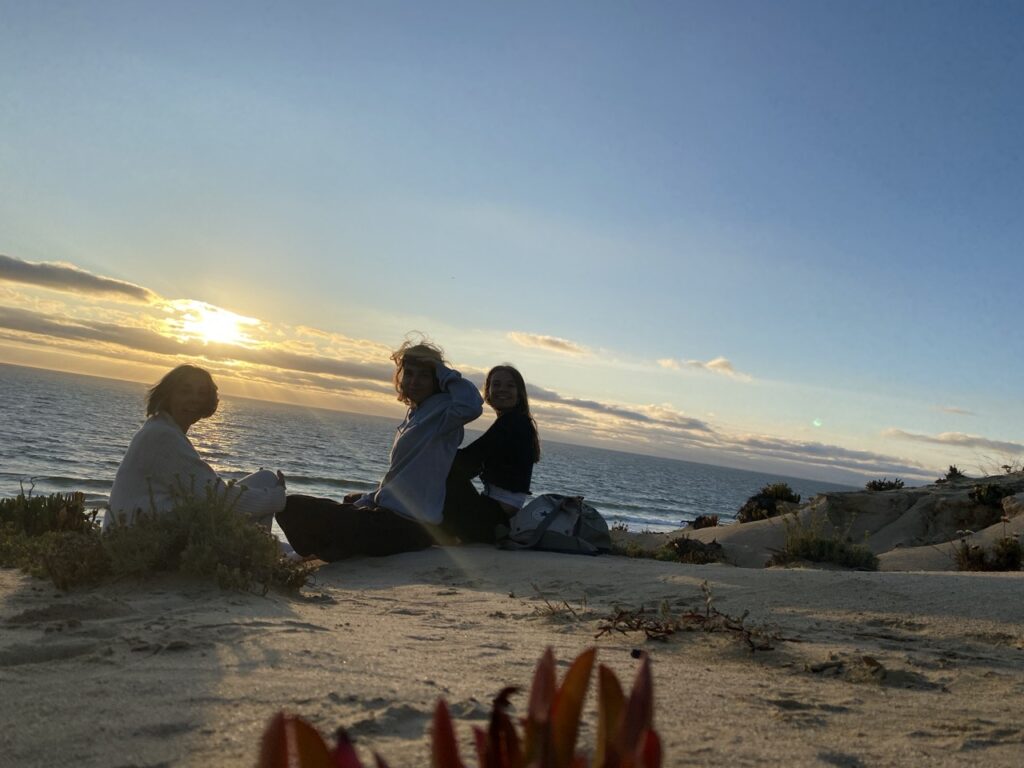
Since a couple of years ago, I’ve been consciously chasing after good moments with my daughters – moments free of obligations or expectations, just experiencing something new together and enjoying each other’s company.
The memories that stay with us for life are usually the ones that stand out from routine and familiarity – even if only emotionally. So I try to create space for those moments, especially when planning vacations with my daughters. Even when we’re in a familiar environment like Portugal, I deliberately look for something that feels new for all three of us. Of course, we also love being with family there – my parents, sisters, and the whole big group of cousins – but the time we spend just the three of us has become very special.
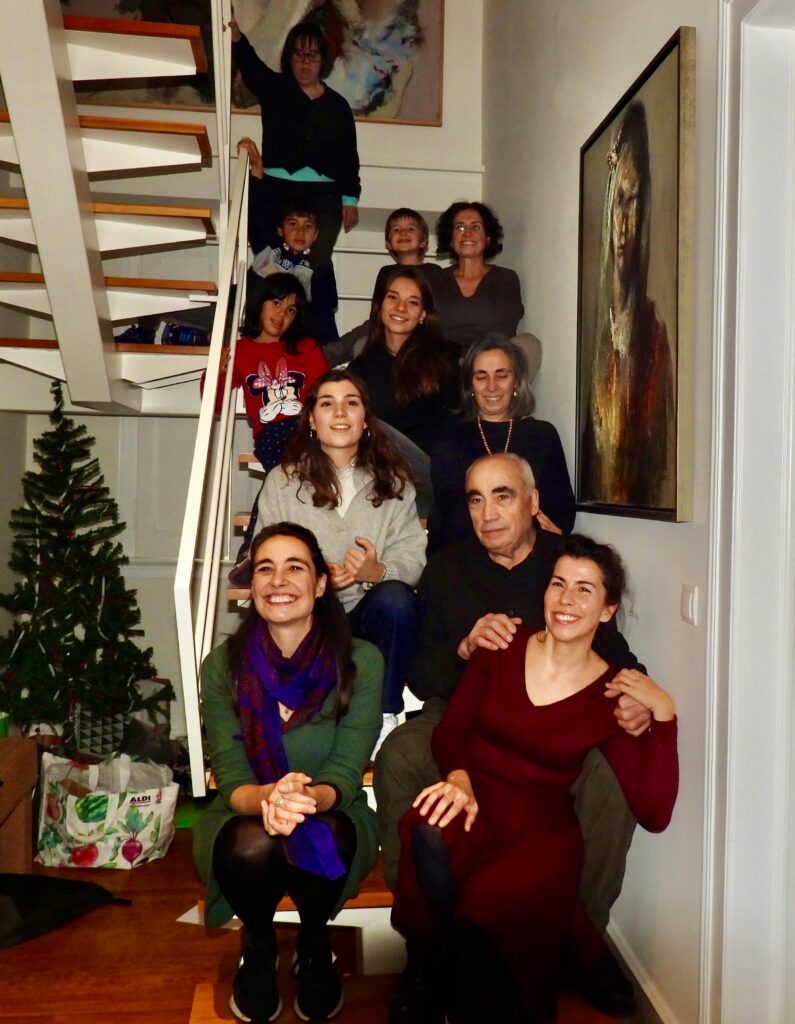


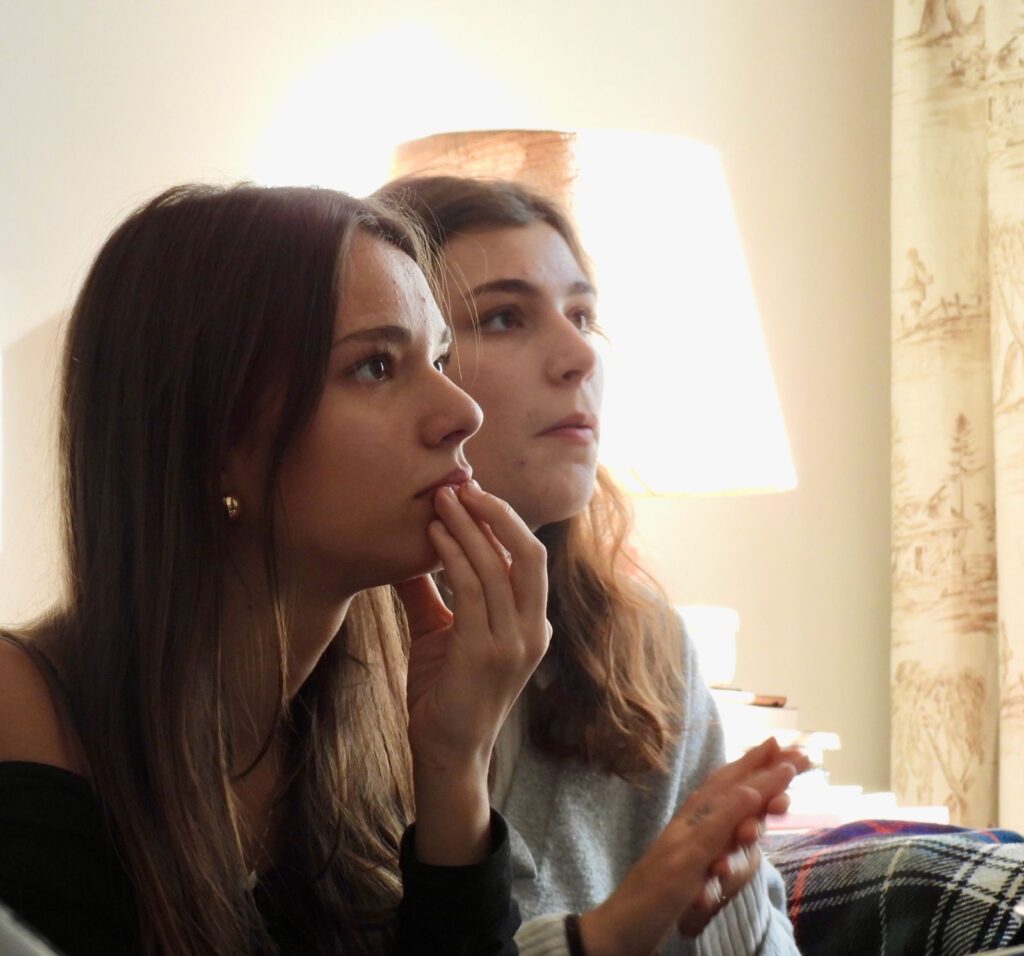
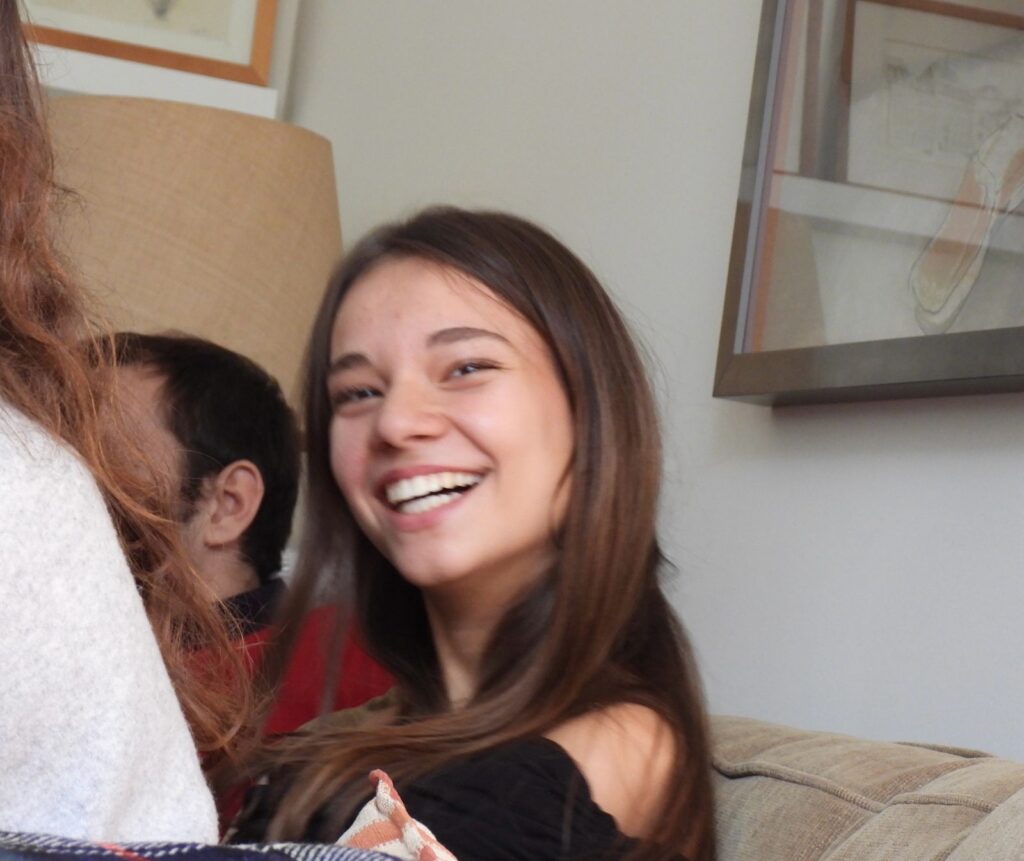

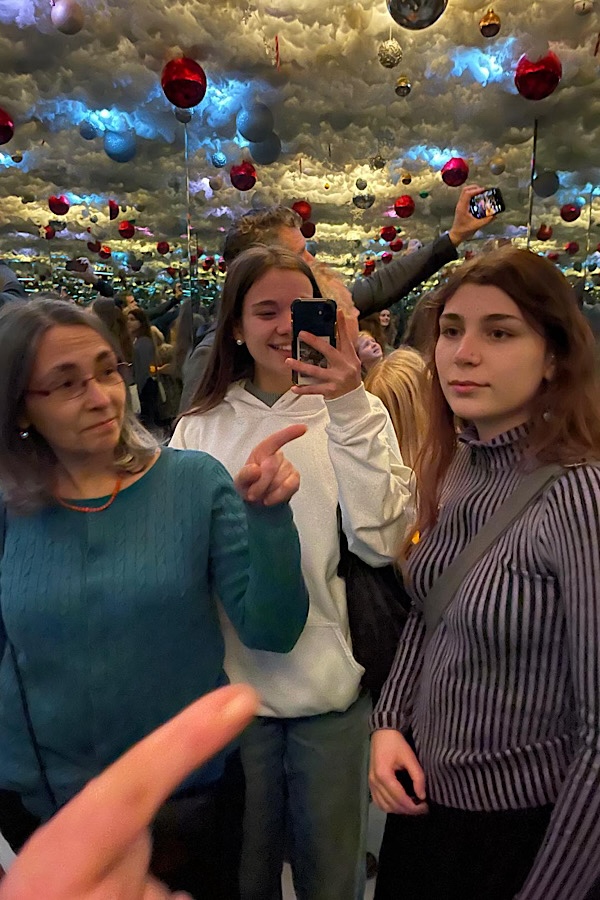
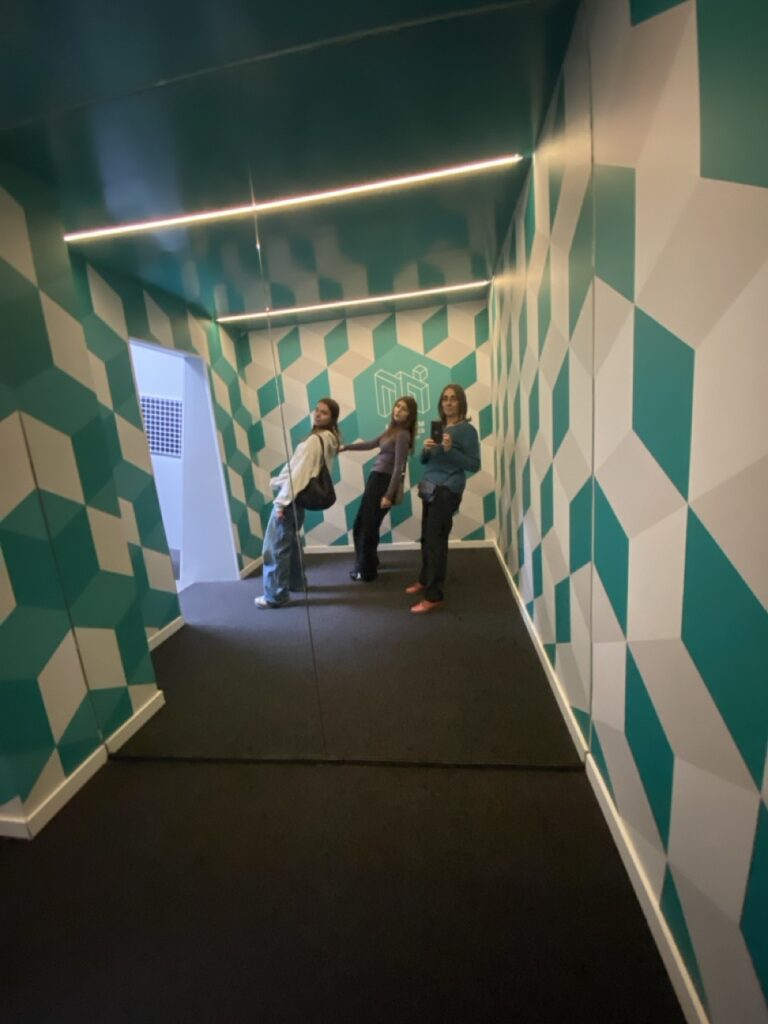
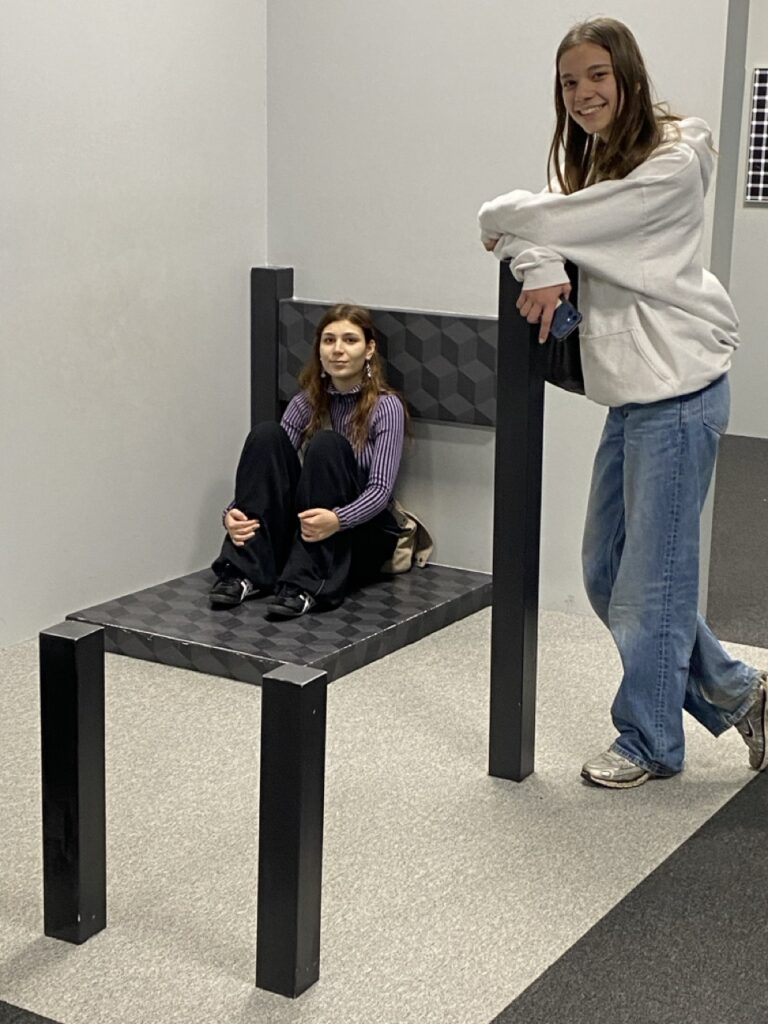
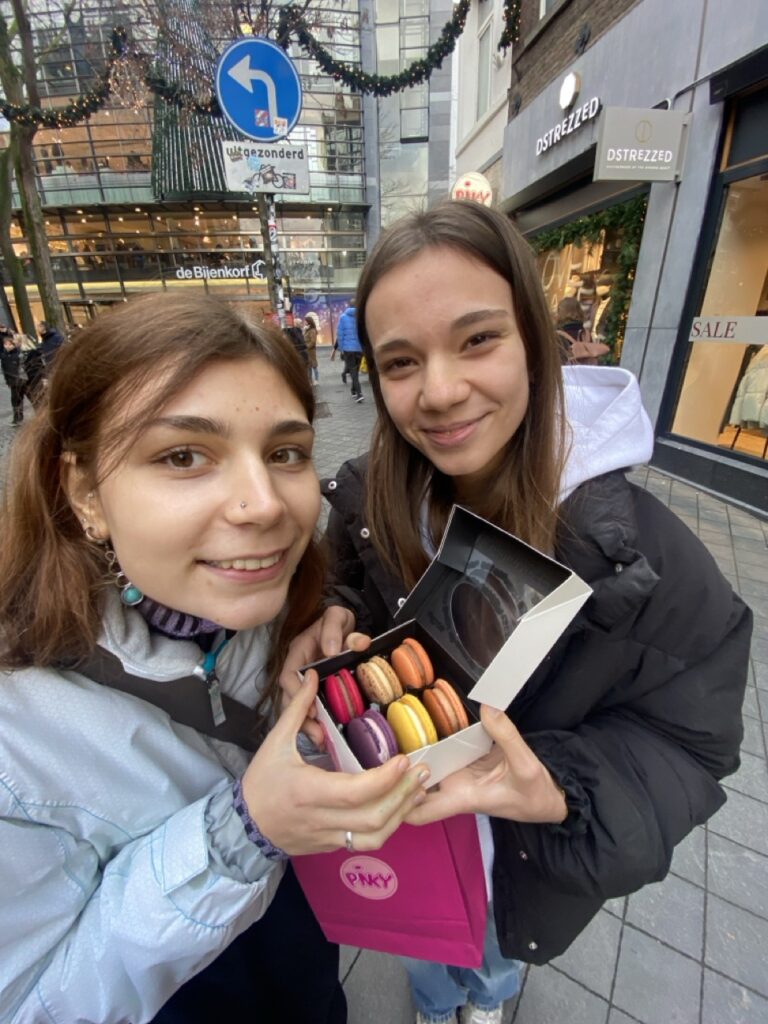

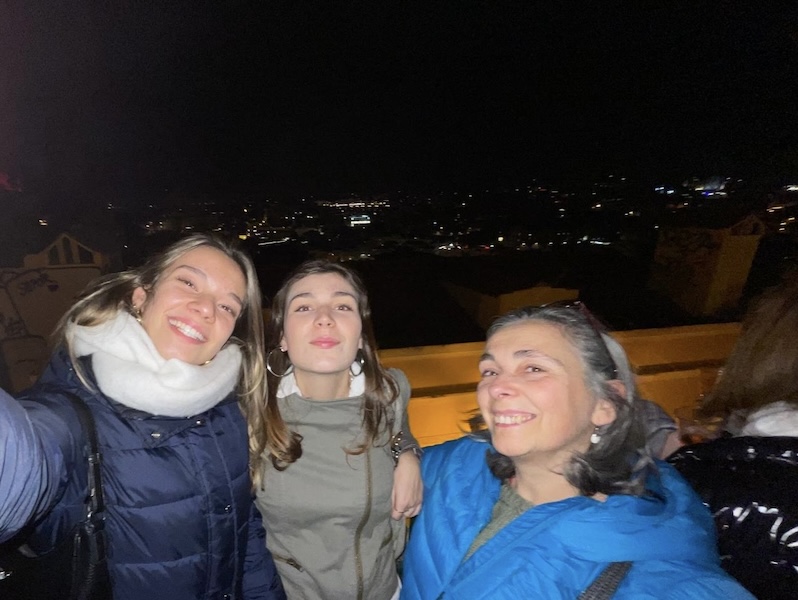

Instead of showing them places I know and have strong emotional connections to (but they don’t), I prefer to explore places that are new for all of us. It’s more challenging, but also more exciting. In those moments, I also feel less like “the mother” and more like a travel companion – trying to see them not as children, but as the young adults they are becoming.
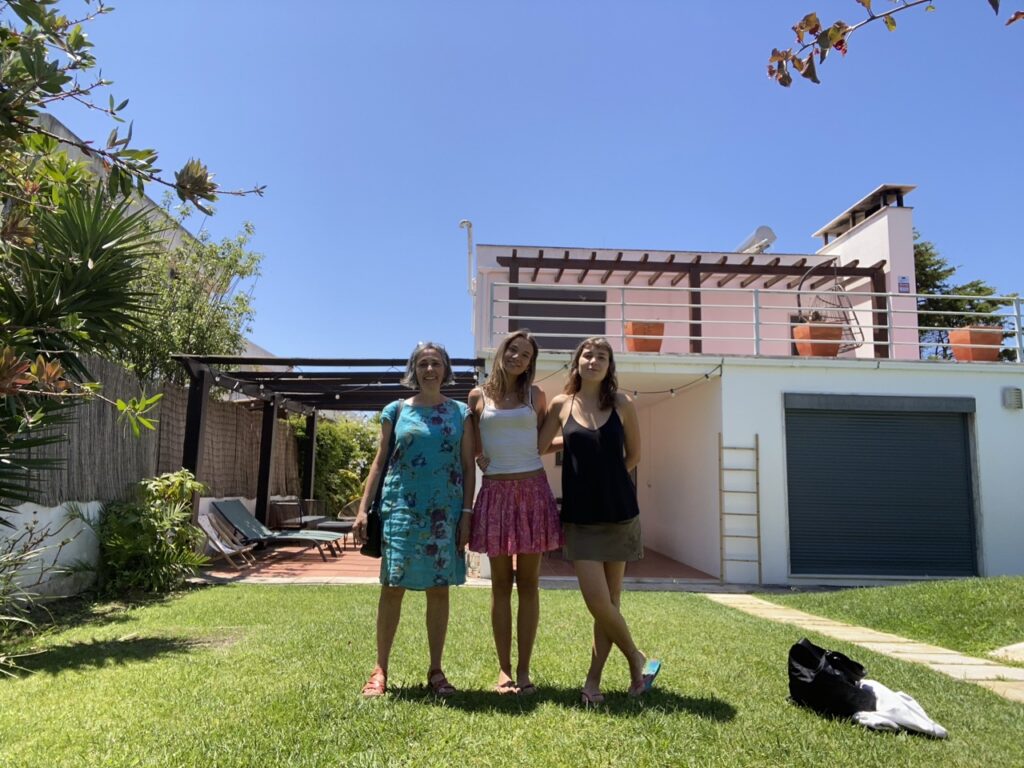
In 2025, we shared some truly marvelous moments together. One of the most humbling was being shown incredible places in my own hometown – Lisbon – by my daughter who is now living there. “How come you don’t know this place, mama?!” she asked. I could only smile.
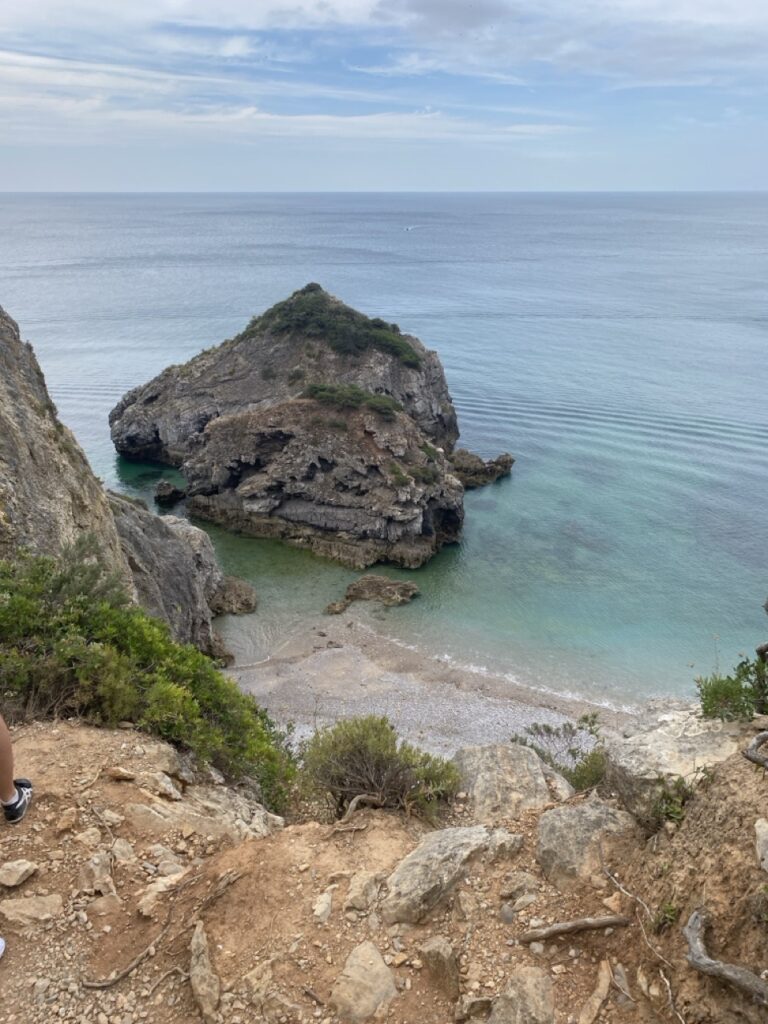
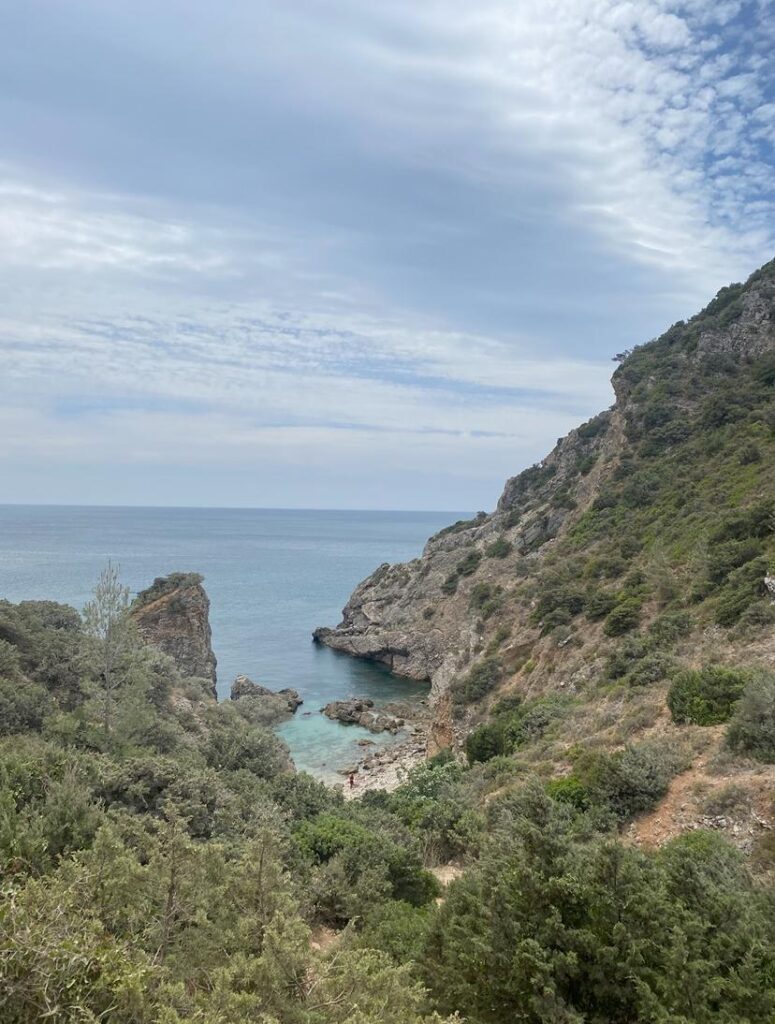
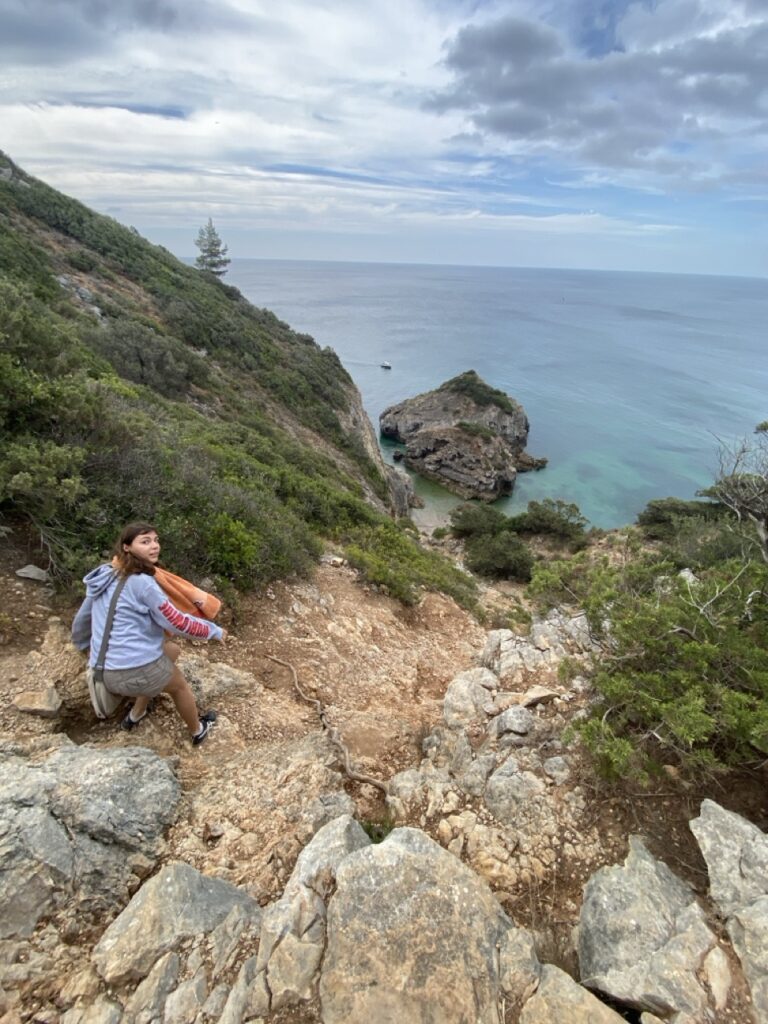
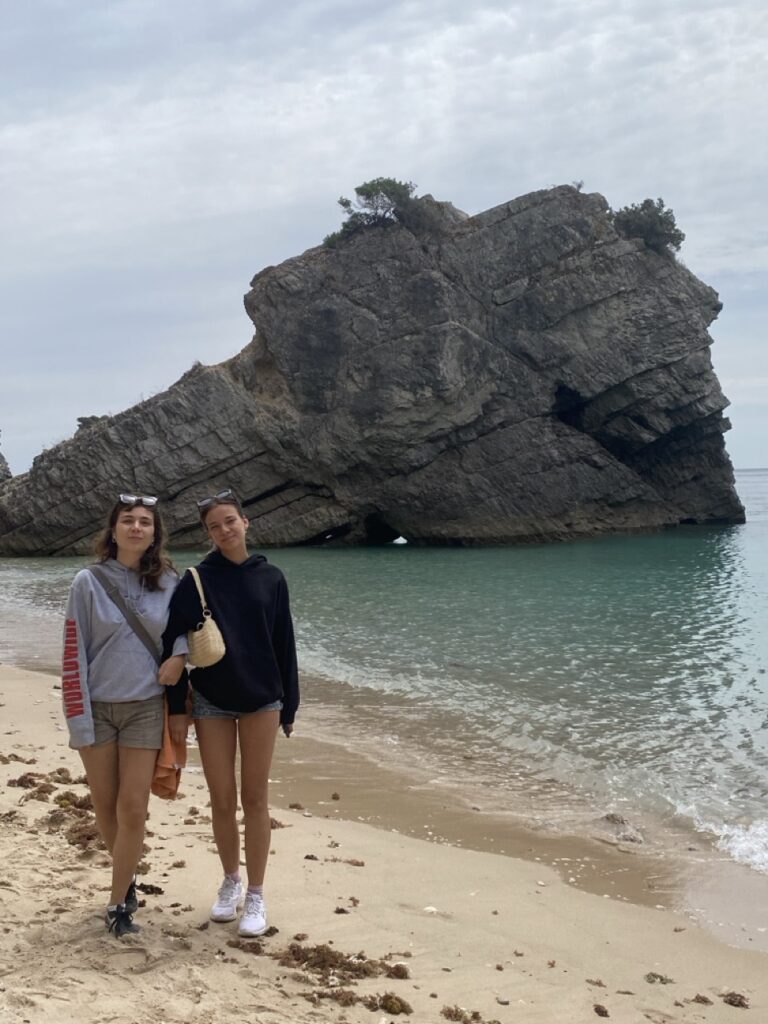
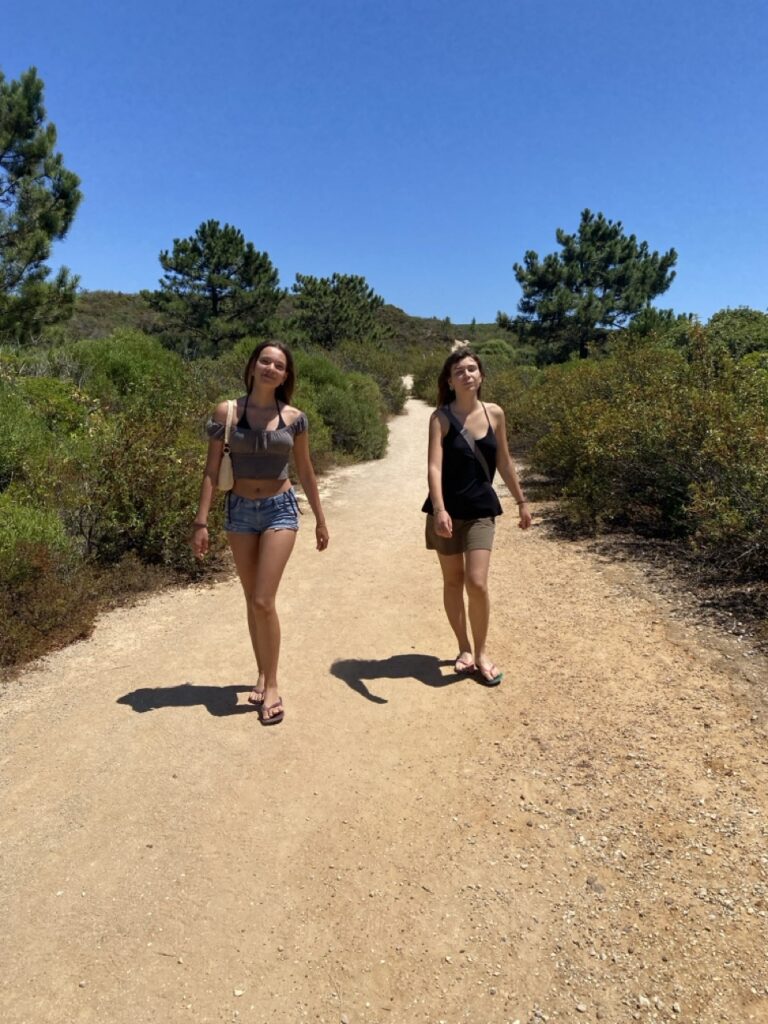
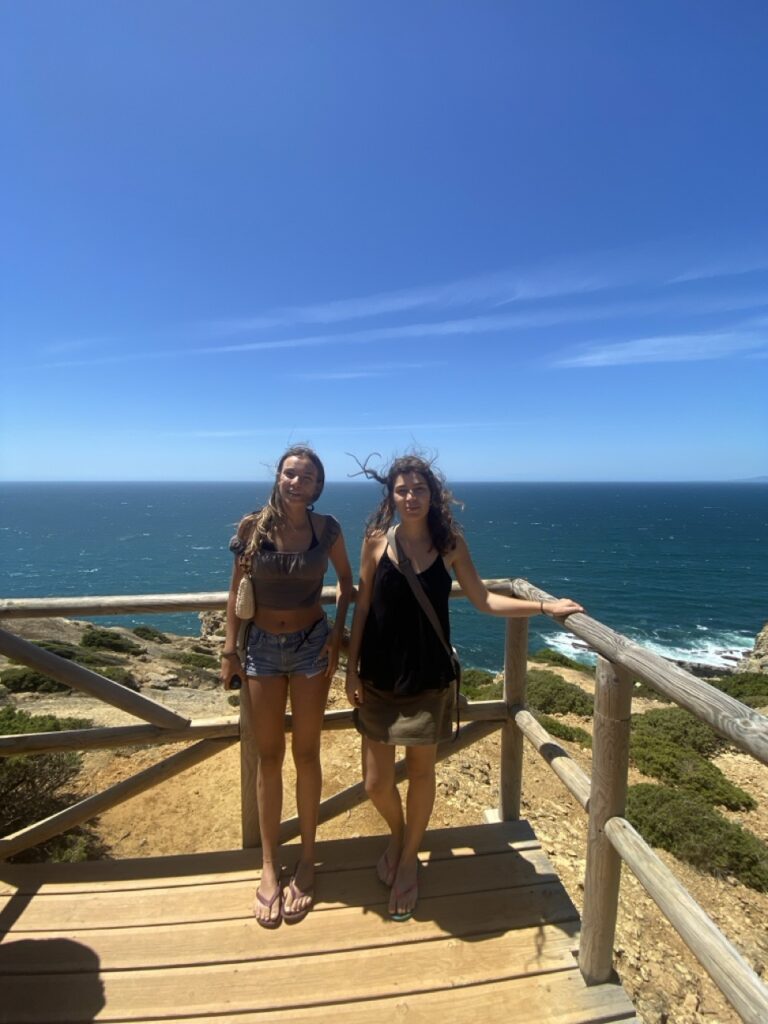
We also went on some adventures I’d never have chosen on my own – like our trip to Praia do Cavalo near Sesimbra, a beach that has gone viral on social media. It’s a perfect cliché recommendation, but getting there is anything but easy: unless you come by boat, you have to climb down a steep and tricky 20-minute path to reach the crystal-clear waters below. And when we finally arrived? The tiny beach was packed! The weather wasn’t even that good – and my daughters were the first to say, “Let’s go again!”
These kinds of shared experiences – unexpected and imperfect – are the ones that typically stay. They strengthen our bond in ways that last much longer than the days we actually spend together.


Looking Back — and Forward
As I look back at everything 2025 brought — from personal milestones to new professional adventures, from deep reflections to light-hearted moments — I feel grateful, amazed, and energized.
It was a year of celebrations, transitions, and unexpected connections. A year that reminded me how much life flows in cycles — with music, learning, courage, and curiosity at its core.
Thank you for reading, sharing, and being part of this journey. And here’s to what 2026 will bring — may it surprise us in the best ways.
If you’re curious about my work or want to learn more about my Basso Continuo online courses, feel free to reach out , or join my waitlist for the next courses here.
Ich freue mich über deinen Kommentar!
Hast du eine ähnliche Erfahrung gemacht oder Gedanken zu dem, was du gelesen hast?
Schreib es mir hier unten in die Kommentare – ich lese und antworte gern.
Du brauchst dich dafür nicht registrieren, nur Name und E-Mail genügen 😊